
Last updated September 25, 2026
Non-destructive entry first, always - and we re-key Schlage, Kwikset, and Baldwin locks on the spot while you watch
You get a price before we start. It does not change when we arrive. No surprises.
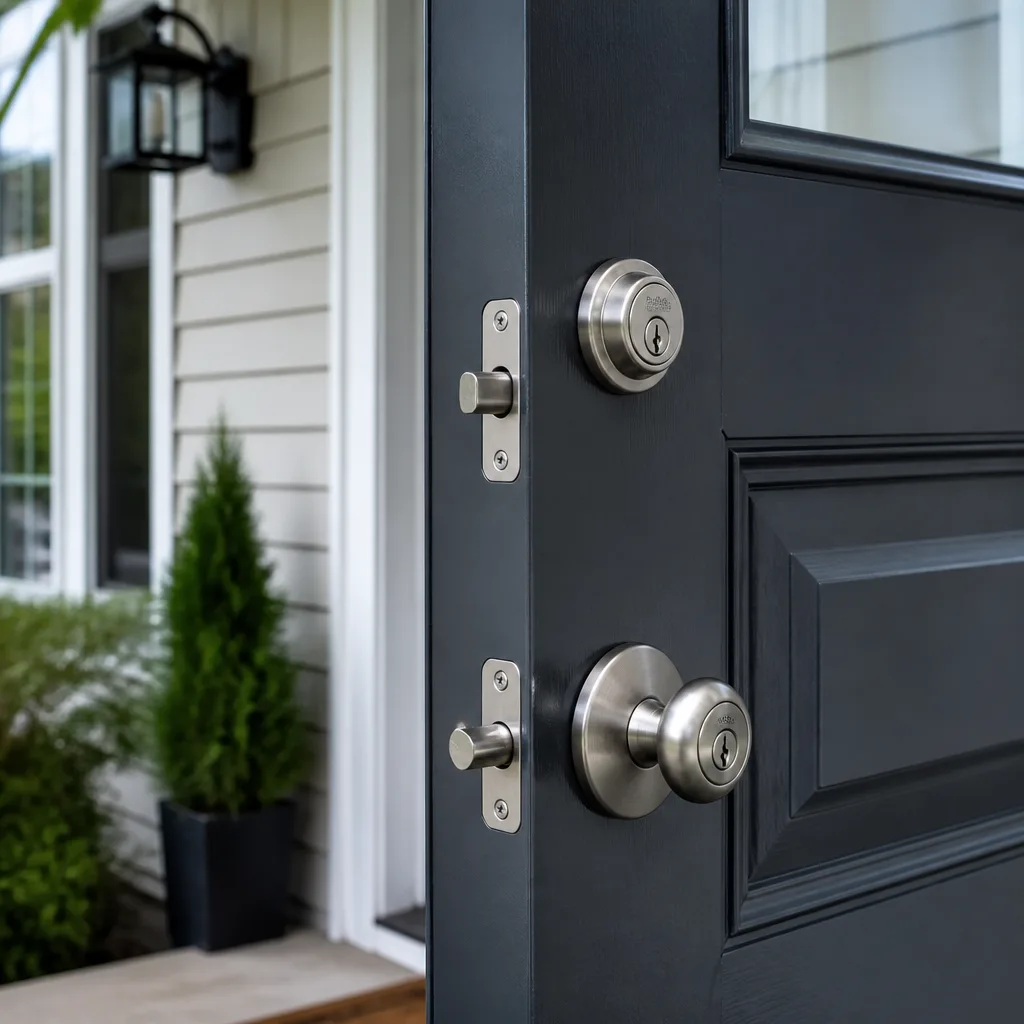
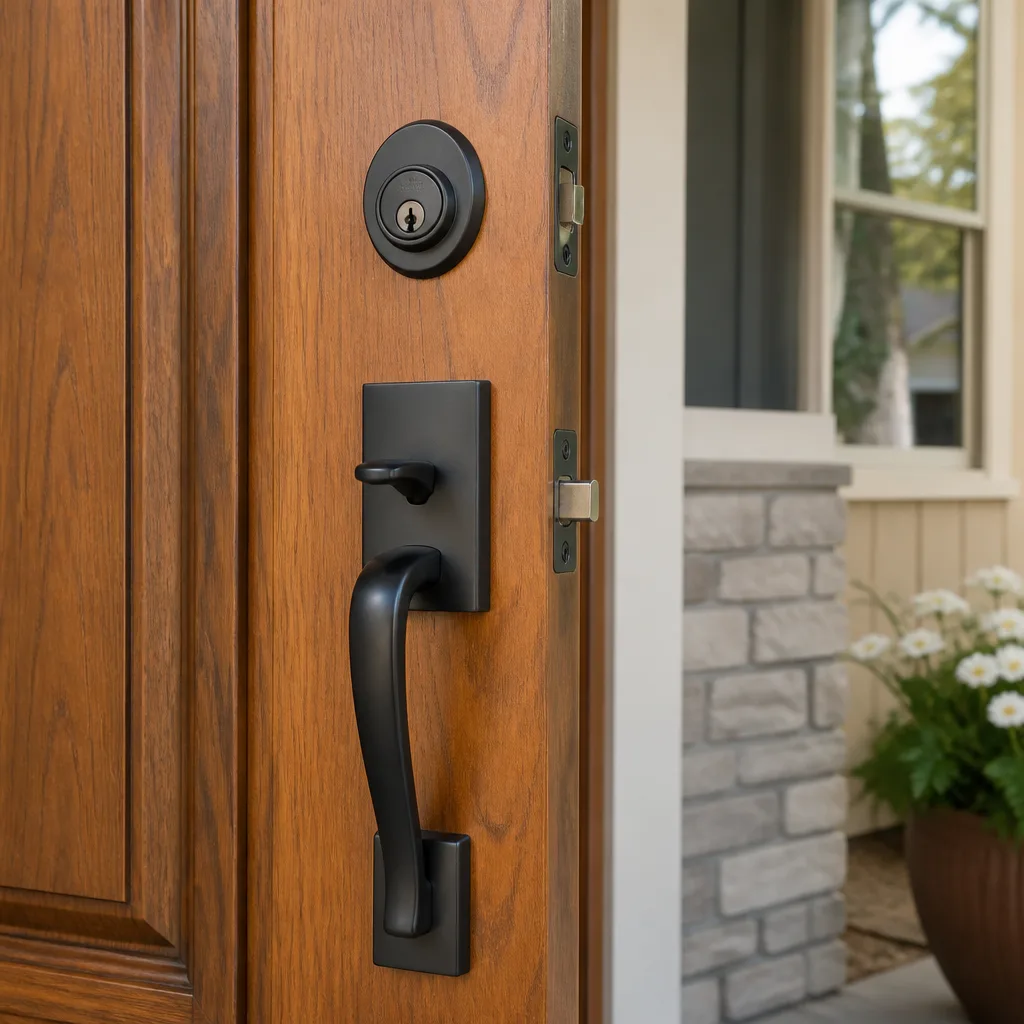
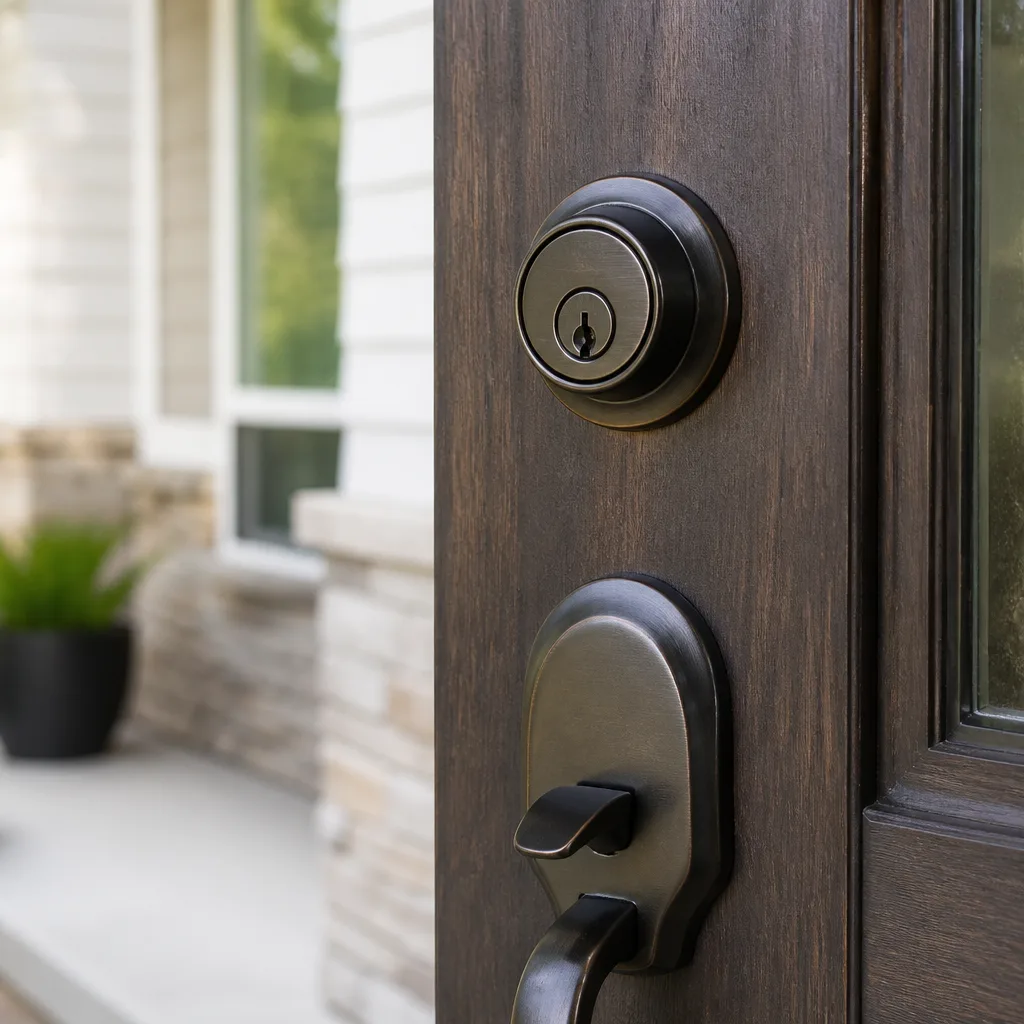
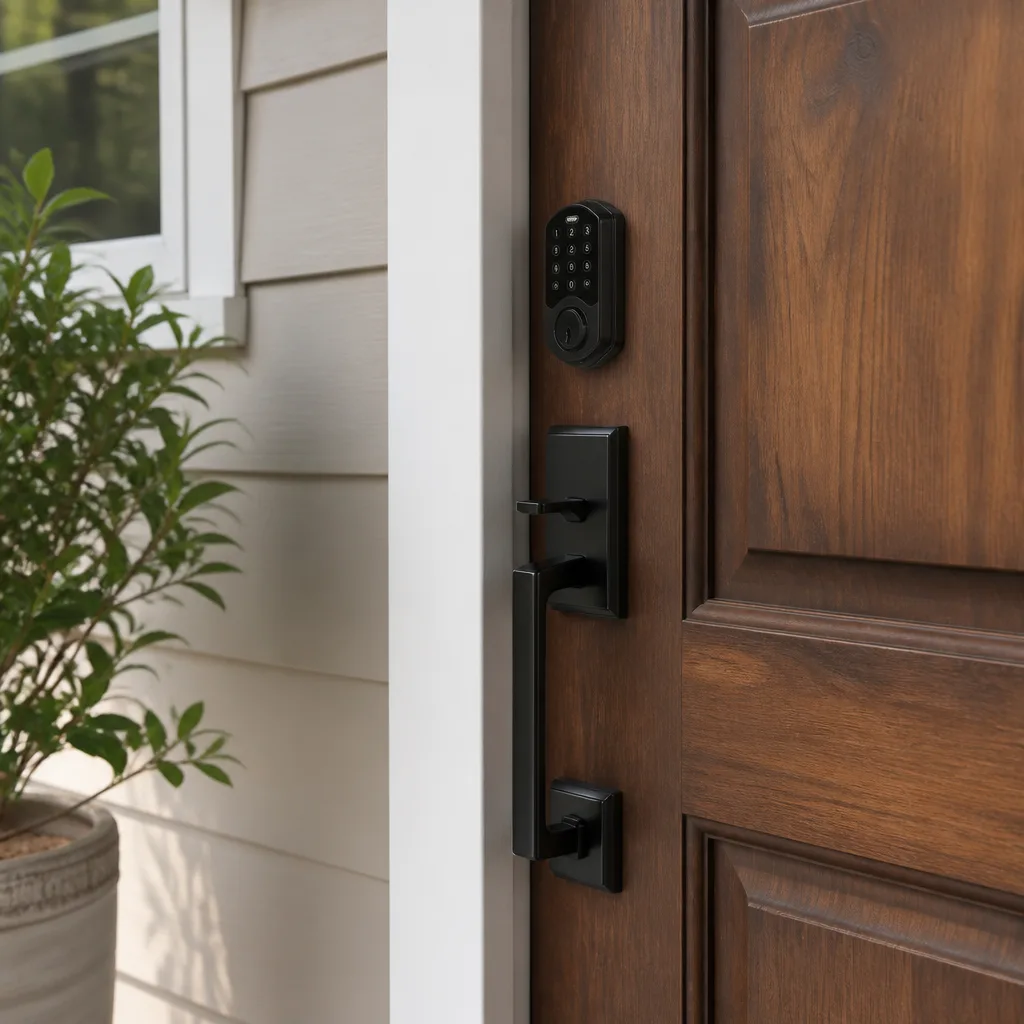
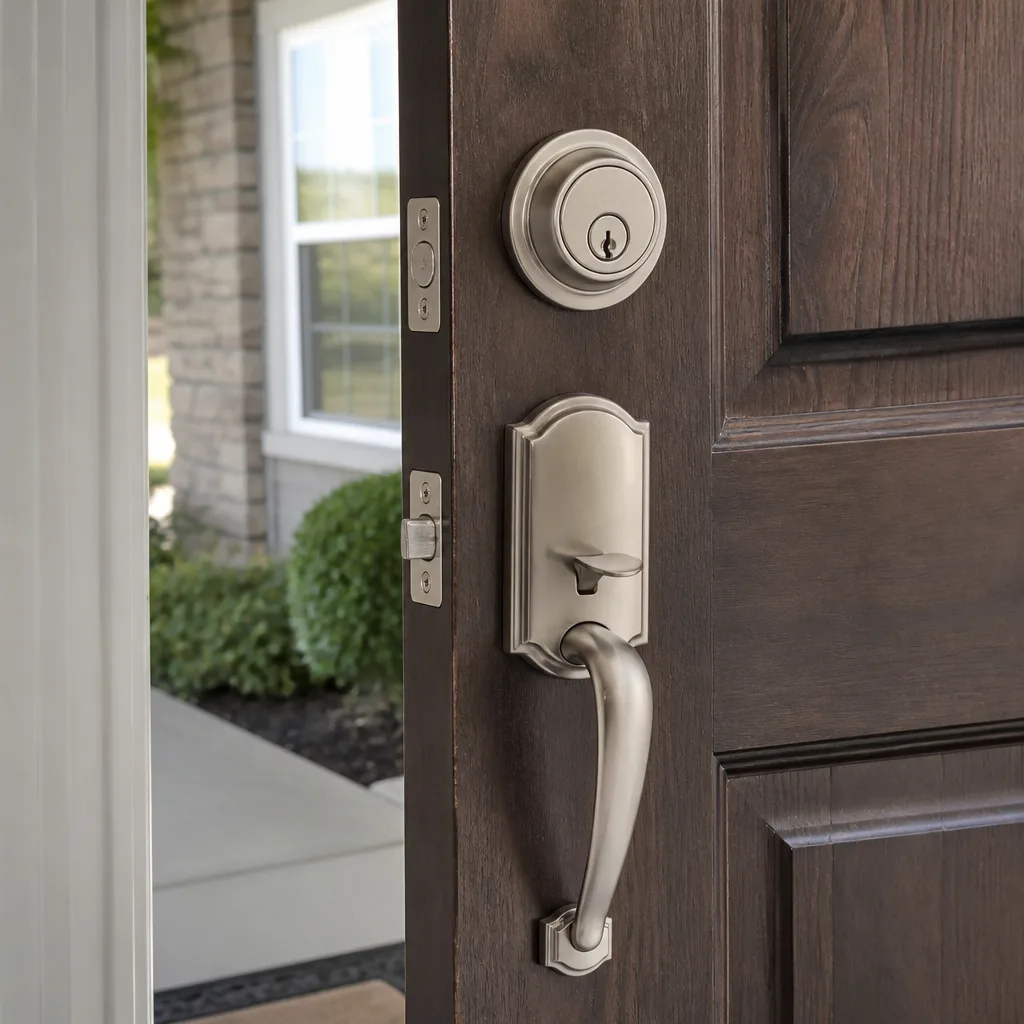
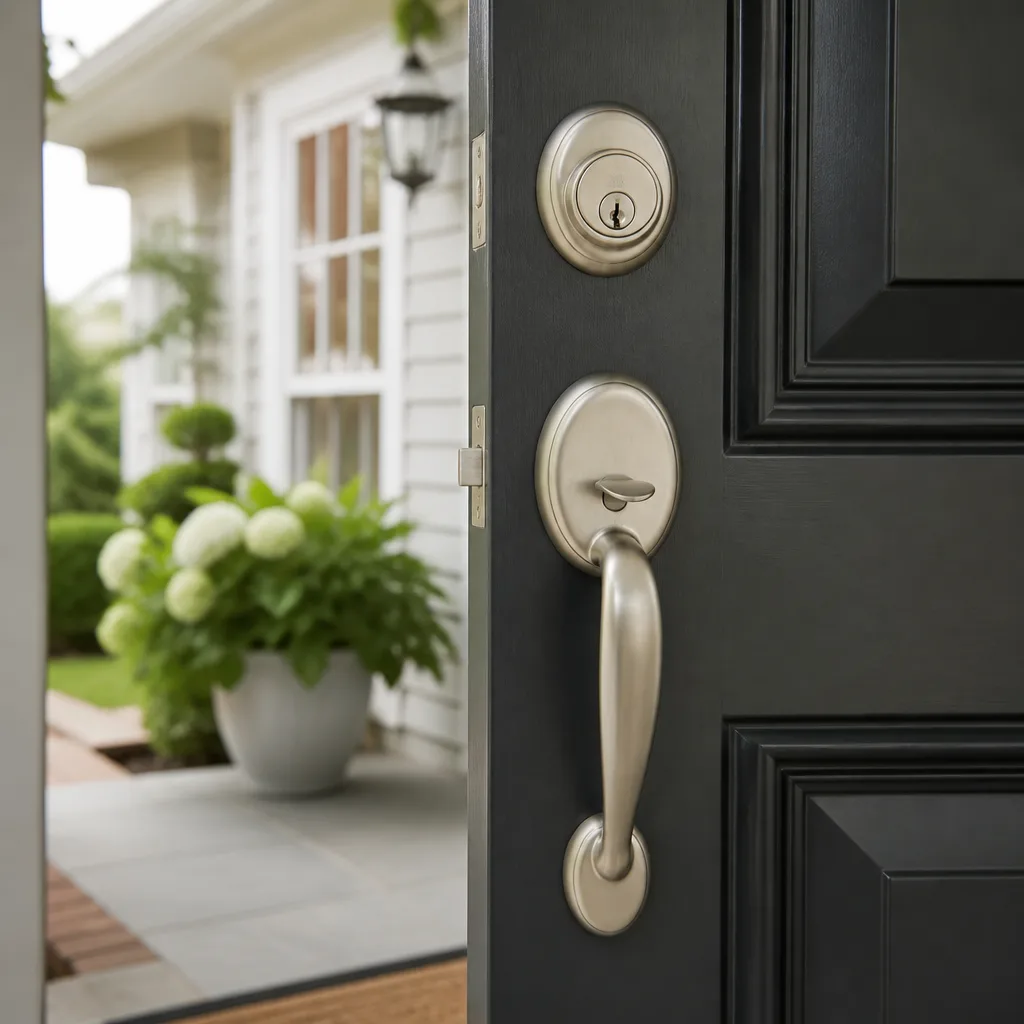
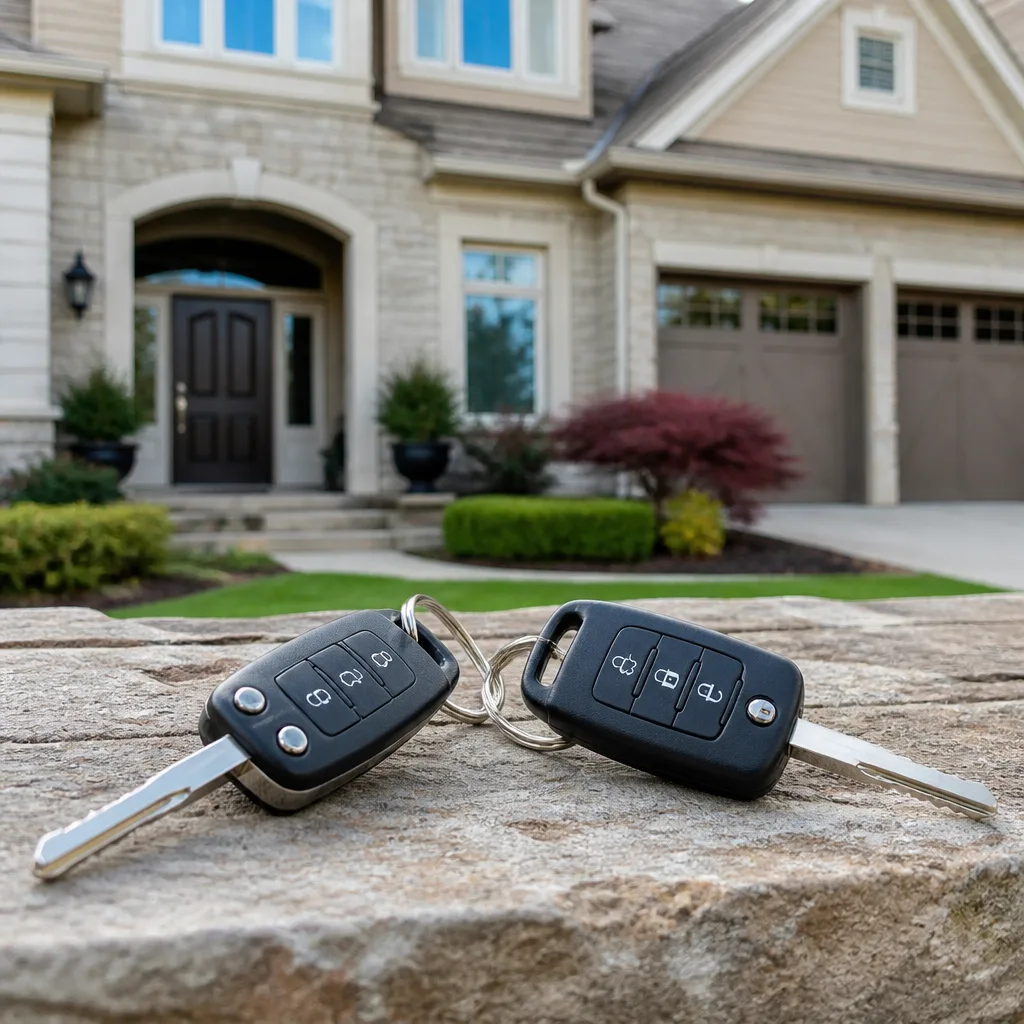
The Complete Guide to Locksmith in Chicago
Here’s something most Chicago residents don’t know until it’s too late: the locksmith who answers your emergency call may never have set foot in Illinois before that morning. National lead-generation directories operating out of Arizona or Florida buy local 312 and 773 phone numbers, rank them on Google, then sell your distress call to the lowest-bidding subcontractor - who arrives in an unmarked car with no Illinois license and a drill already in hand. In a city where winter lockouts can become genuine safety emergencies when temperatures drop below zero, understanding how Chicago’s locksmith market actually works isn’t consumer advice. It’s self-defense. This guide maps the real chain from your search to your invoice, shows you how to verify who’s coming to your door, and explains what a legitimate written quote looks like before anyone touches your lock.
Quick Answer
A legitimate locksmith in Chicago holds an Illinois IDFPR license, provides a written price before beginning any work, and arrives in a marked vehicle with a uniformed technician whose background check you can verify. The average residential lockout in Chicago runs $85-$150 during standard hours, rekeying costs $19-$35 per cylinder, and high-security lock installations range from $180-$450 depending on hardware grade. Novak Lock & Security Chicago quotes firm prices by phone at (331) 202-1318, and our technicians are contractually prohibited from changing that price at your door under Haven Standard Clause 1.
Table of Contents

- How Illinois Locksmith Licensing Actually Works
- The Directory Middleman Model: How Your Call Gets Sold
- What a Legitimate Written Quote Looks Like
- Chicago-Specific Scam Patterns Documented by Regulators
- How to Read a Locksmith Invoice: Five Line Items That Must Appear
- Choosing Lock Hardware for Chicago’s Climate and Building Stock
- Neighborhood Security: What We See Across Chicago
- Emergency vs. Scheduled Work: Different Pricing Structures
How Illinois Locksmith Licensing Actually Works
Illinois regulates locksmiths through the Department of Financial and Professional Regulation (IDFPR), but the law creates a gap most consumers don’t notice. An individual locksmith must hold a Permanent Employee Registration Card (PERC) and work under a licensed locksmith company. The company itself holds the locksmith license. Here’s where it gets complicated: Illinois does not require every person performing locksmith services to hold the company license directly, which means an unlicensed individual can legally work under someone else’s company umbrella - and many directory middlemen exploit this structure.
To verify who you’re actually hiring, request two numbers before anyone dispatches: the company’s Illinois locksmith license number and the individual technician’s PERC number. A legitimate operator provides both without hesitation. You can verify either through the Novak Lock & Security Chicago home office or directly on the IDFPR website. At Novak Lock & Security Chicago, every technician’s PERC is cross-checked against our company license 455-001884 before they’re assigned to any Chicago call.
The licensing structure matters because it determines liability. If a technician damages your door, installs a defective lock, or creates a security vulnerability, the licensed company bears responsibility. When a directory middleman sells your call to an unlicensed subcontractor, you may have no recourse - the middleman’s terms of service typically disclaim all liability, and the subcontractor has no assets to pursue. We’ve rebuilt after botched jobs in Lincoln Park and the Gold Coast where the original “company” was a voicemail box in Phoenix.
Chicago’s building stock adds another licensing consideration. Pre-war buildings in Hyde Park, Rogers Park, and parts of Bridgeport often contain mortise locks (locks installed into a pocket cut into the door edge) that require specific knowledge to service without damaging vintage doors. No Illinois license test covers mortise lock repair specifically, which is why experience documentation matters as much as the license itself. When we service a 1920s greystone in Austin or a courtyard building in Andersonville, we photograph the existing hardware before disassembly and provide the customer with that record - part of our documented photo record on every visit.
The Directory Middleman Model: How Your Call Gets Sold
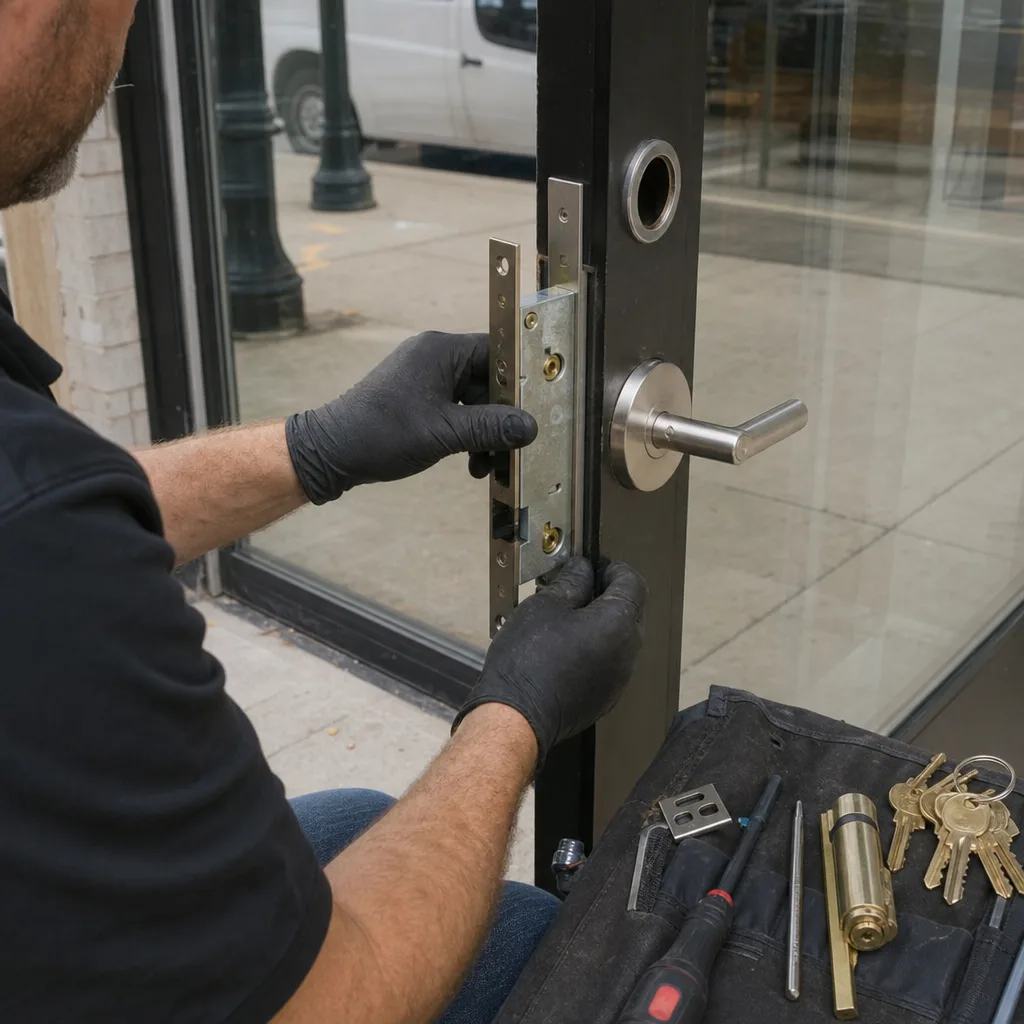
The economics of online locksmith advertising created a secondary industry that most Chicago consumers never see. National aggregators purchase hundreds of local phone numbers across major markets, build generic websites with neighborhood names stuffed into the text, and buy Google Ads for terms like “locksmith Chicago” or “locksmith Lincoln Park.” When you call, you’re connected to a call center that takes your location, describes your need, and sells that lead to a subcontractor - typically for $35-$75 per call.
The subcontractor who accepts your call has paid for it. Their profit depends on extracting more from your job than the lead cost. This is where the bait-and-switch begins. Common patterns we’ve documented:
- The lowball phone quote: “$29 service call” that becomes $29 plus labor, parts, emergency fee, and mileage - each undefined until arrival.
- The drill mandate: “This lock can’t be picked, we have to drill it” - true for some high-security cylinders, false for standard Kwikset or Schlage deadbolts in 90% of cases.
- The after-hours phantom: A surcharge applied despite your call occurring at 3:00 PM on a Tuesday, justified by “high demand.”
- The hardware swap: A functional lock replaced with a cheaper model billed at premium prices, with the original lock removed to prevent comparison.
The middleman model thrives on information asymmetry. You don’t know what the job should cost. You don’t know what hardware you have. You’re often in distress - locked out, late for work, managing children in cold weather. The aggregator’s business model depends on this asymmetry, and their terms of service explicitly disclaim responsibility for subcontractor pricing.
In Chicago, we’ve seen this pattern concentrated in high-search-volume neighborhoods: the Loop during business hours, River North and Streeterville for residential lockouts, and O’Hare-adjacent areas for travelers. The same subcontractor may arrive representing three different “companies” in a single week, depending on which lead aggregator sold the call. Their invoice shows a different business name than the website you found.
The defense is verification before dispatch. Ask: “Are you sending an employee of your company, or a subcontractor?” Ask for the technician’s name and PERC number. Ask for a written price by email or text before they leave for your location. Any hesitation or deflection is information - and under Haven Standard Clause 1, we provide this documentation without being asked, because the price on the phone is the price on the invoice.
What a Legitimate Written Quote Looks Like
A written quote before work begins is the single most reliable indicator of a legitimate locksmith operation. Not an estimate. Not a “starting at” figure. A quote - a specific dollar amount for a defined scope, with terms that bind both parties. Here’s what ours contains, and what any Chicago resident should demand:
- Company name and Illinois license number: Verifiable against IDFPR records.
- Technician name and PERC number: Identifies the individual who will perform the work.
- Scope description: Exact service to be performed - “rekey 3 Schlage deadbolt cylinders to single key,” not “rekey locks.”
- Hardware specification: If hardware is being installed, brand, model, and finish - “Baldwin Prestige 380 deadbolt, satin nickel.”
- Labor price: Total labor charge, not hourly.
- Parts price: Itemized if multiple components, or single line if bundled.
- Total price: The exact amount due on completion, with explicit statement that no additional fees apply.
- Payment terms: Methods accepted, when payment is due.
- Warranty terms: Duration and coverage - our 365-Day Done Right Promise specifies parts and labor for 365 days from invoice date.
- Customer signature line and date: Creates mutual acknowledgment.
The absence of any of these elements creates ambiguity that benefits only the service provider. A quote without a license number cannot be verified. A quote without hardware specification allows substitution with inferior products. A quote without total price enables addition of “trip charges,” “tool fees,” or “emergency surcharges” at the door.
We email or text every Chicago customer their written quote before dispatch. The technician carries a printed copy. Both versions are identical. Haven Standard Clause 1 prohibits any deviation - the technician cannot add charges, cannot “discover” additional needed work without customer authorization of a new written quote, and cannot accept payment above the quoted amount without escalation to our dispatch supervisor. This rule has been in place since 2002, and it’s why we maintain a documented record of every job.
For scheduled work - commercial locksmith in Chicago projects, master key system design, or access control systems in Chicago - we provide a detailed written scope rather than a simple quote. The scope includes hardware schedules, keying charts, installation timelines, and flat per-lock pricing. This documentation becomes part of the building’s permanent security record, transferred to subsequent owners or property managers on request.
Chicago-Specific Scam Patterns Documented by Regulators

The Illinois Attorney General and Better Business Bureau have documented consistent patterns in Chicago-area locksmith complaints that differ from national averages. Understanding these specific patterns helps residents recognize them in real time.
The “drilling required” upsell. In 2018, the Illinois AG obtained settlements against multiple operators who instructed technicians to claim drilling was necessary on locks that could be picked or bypassed with standard techniques. The scam works because most consumers cannot evaluate the claim. A standard Kwikset or Schlage deadbolt in good condition can be picked by a competent technician in 2-10 minutes. High-security cylinders - Medeco, Mul-T-Lock, Abloy - resist picking and may require drilling if the key is lost, but the technician should explain this before beginning, show you the lock grade, and obtain written authorization for destructive entry. We carry pick-resistant bypass tools for common Chicago locksets and document the condition of your lock before any decision to drill.
Phantom after-hours fees. Chicago’s density creates genuine after-hours demand - late-shift workers in the medical district, restaurant staff in West Loop, travelers at Midway and O’Hare. But “after-hours” gets defined flexibly by some operators. We’ve reviewed invoices where 6:00 PM on a Saturday carried a “night premium,” or where standard weekday service at 4:45 PM was billed at emergency rates because the technician “was already off shift.” Our pricing distinguishes standard hours (7 AM-7 PM, all days) from true after-hours emergency (7 PM-7 AM), and we state which rate applies when you call.
The hardware substitution. Chicago’s older rental stock - two-flats in Logan Square, courtyard buildings in Uptown, walk-ups in Pilsen - often contains mixed hardware brands. A dishonest technician replaces a functioning Schlage with a no-name import, bills for “premium hardware,” and removes the original to prevent comparison. We photograph existing hardware before removal, show customers the new hardware packaging before installation, and leave old components unless the customer directs otherwise. The photo record, included standard on every visit, documents what was there and what replaced it.
The “rekey or replace” pressure. A lock that malfunctions often needs only cleaning, lubrication, or minor part replacement. Some technicians push full replacement because it carries higher parts markup. We diagnose first: in our experience, roughly 40% of “broken” locks reported by Chicago customers need only maintenance, not replacement. We explain what we found, show you the wear or damage, and quote both options - repair and replacement - with no pressure toward either.
The duplicate invoice. A pattern reported to the Chicago Police Department’s financial crimes unit: technicians who present a handwritten invoice, collect payment, then mail a second invoice weeks later with additional “discovered” charges. All Novak invoices are generated from our dispatch system, emailed to the customer at job completion, and matched to the original written quote by job number. No second invoice exists because no additional charges are permitted.
How to Read a Locksmith Invoice: Five Line Items That Must Appear
After the work is complete, your invoice tells you whether you received legitimate service or were exploited. These five elements should always appear; their absence signals a problem you should report to the Illinois AG’s consumer protection division.
- Company license number and technician PERC: Required by Illinois law for any locksmith transaction. No number, no legal accountability.
- Job number matching your written quote: Links the invoice to the pre-work agreement. A different number or no reference to prior documentation suggests the quote was informal or fabricated.
- Itemized labor and parts with quantities: “Rekey 3 cylinders: $75” not “Service: $275.” You should see what was done and what each element cost.
- Hardware brand and model numbers: If new locks were installed, the invoice specifies what you received. “Deadbolt” is insufficient. “Schlage B60N626” is verifiable.
- Warranty terms with duration and coverage: Our 365-Day Done Right Promise appears on every invoice with the specific clause: “Parts and labor covered for 365 days from date of service. Call [number] for warranty dispatch.”
Additional line items that may appear legitimately: sales tax (required on parts in Illinois), mileage for locations outside standard service radius (we define ours as 25 miles from downtown Chicago), and after-hours premium if applicable. What should never appear: “service call fee” separate from labor when a total was quoted, “trip charge” not disclosed in advance, “tool fee,” “diagnostic fee,” or any percentage surcharge.
We leave a documented photo record with every Chicago customer - printed or emailed - showing the completed work. This record includes the job number, technician name, date, and time. It matches the invoice exactly. If your service provider cannot produce matching documentation across quote, invoice, and photo record, you have not received documented service. You have received a cash transaction with no recourse.
Choosing Lock Hardware for Chicago’s Climate and Building Stock
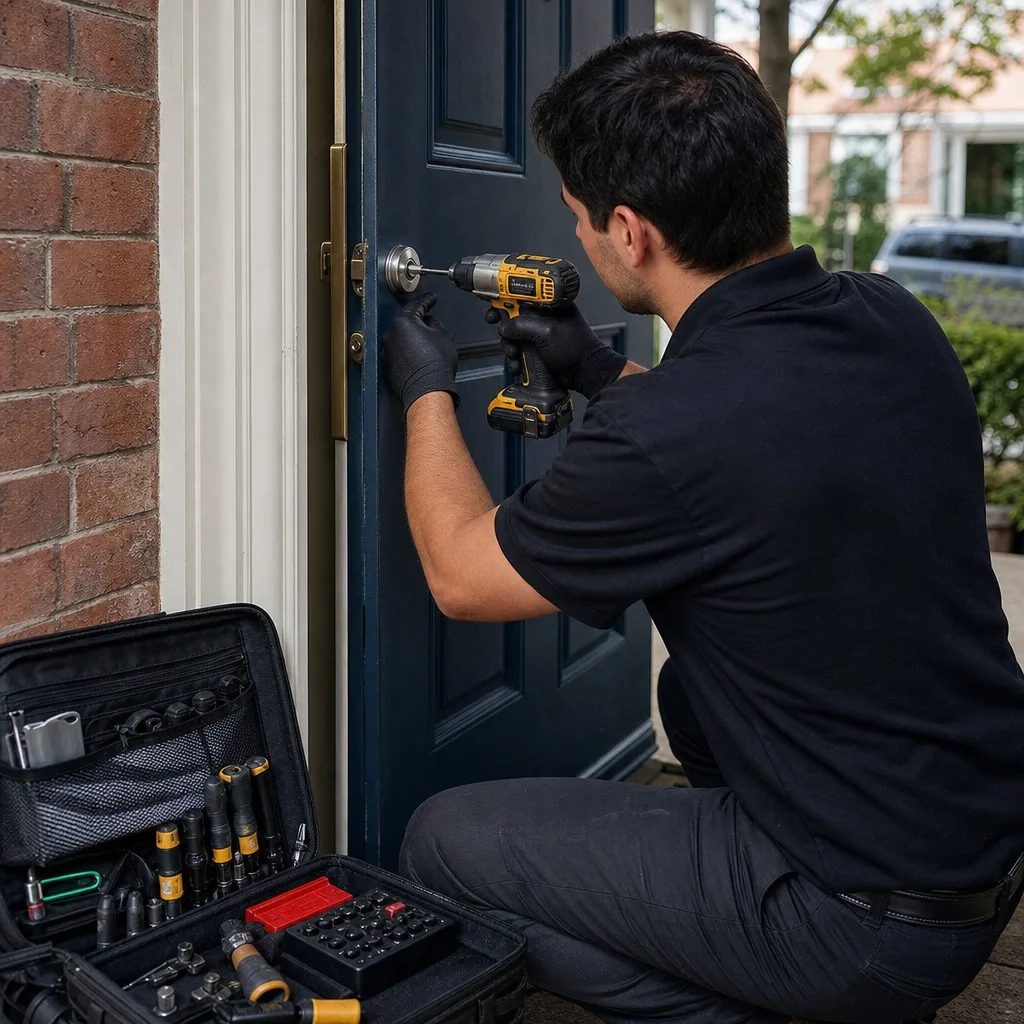
Chicago’s climate damages locks in ways that Florida or Arizona locksmiths rarely encounter. Summer humidity swells wooden door frames, misaligning strikes. Winter temperature swings - from 20°F outside to 70°F inside - create condensation inside lock mechanisms that freezes, expands, and jams cylinders. Road salt tracked into entryways corrodes exterior hardware. The hardware you choose and how it’s maintained determines whether you’re calling for service every two years or every ten.
For residential locksmith in Chicago applications, we specify hardware by exposure and building type:
- Exposed entry doors (no vestibule): Grade 1 or Grade 2 deadbolts with stainless steel or zinc components, never brass exterior hardware. Schlage B60 series or Baldwin Prestige for standard security; Medeco M3 or Mul-T-Lock MT5+ for high-security needs. We install with weatherstripping gaps sealed to reduce condensation intrusion.
- Vestibule-protected entries: Wider hardware options, including oil-rubbed bronze finishes that corrode rapidly in direct exposure but hold up well in protected environments.
- Pre-war buildings with mortise locks: Original hardware often superior to modern replacements in durability. We rebuild when possible - new springs, levers, and cylinders fitted to existing mortise bodies - rather than replacing with modern tubular locks that require door modification. In Wicker Park and Ukrainian Village, we’ve rebuilt mortise locks from the 1920s that will outlast any big-box replacement.
- Multi-unit buildings: Interconnected locks (where the deadbolt and latch operate together) required by Chicago code for certain multi-family applications. We verify code compliance before specifying hardware.
Key duplication matters too. Chicago’s transient population - renters, students, short-term corporate assignments - creates high key turnover. Standard keys (Kwikset KW1, Schlage SC1) can be duplicated at any hardware store, which is convenient and a security risk. Restricted keyways - Medeco KeyMark, Mul-T-Lock Classic Pro - require authorization and specialized equipment to duplicate. We register restricted keys to the property owner, not the tenant, and maintain key control records that transfer with property sale.
For commercial applications, access control systems in Chicago eliminate key management entirely. Proximity card systems, biometric readers, and cloud-managed electronic locks provide audit trails and instant credential revocation - critical for businesses with high employee turnover or multiple shift patterns. We survey Chicago commercial spaces for existing door hardware, network infrastructure, and power availability before specifying any access control solution.
Neighborhood Security: What We See Across Chicago
Our service records across Chicago neighborhoods reveal patterns that generic security advice misses. This isn’t crime statistics - it’s what we find when we arrive to rekey after a break-in, upgrade hardware after a sale, or repair damage from an attempted entry.
In Lincoln Park and Lakeview, we see a high rate of “warm entry” - burglars who walk through unlocked doors or find keys hidden in predictable locations. The hardware is often adequate; the behavior isn’t. We recommend keyless entry systems (electronic deadbolts with codes) for households that frequently lose keys or provide access to dog walkers, cleaners, or short-term guests.
In Logan Square, Humboldt Park, and Pilsen, older two-flats and courtyard buildings present mixed-security environments. The front door may have a decent lock; the rear service door has a 30-year-old latch and no deadbolt. We perform security surveys that examine all entry points, not just the main door, and quote prioritized upgrades - what addresses the highest risk first, what can follow.
In the Loop and River North, high-rise residential buildings create unique vulnerabilities. A unit with a standard deadbolt on a door that opens into a controlled-access corridor feels secure but may lack protection from maintenance staff, former residents with unreturned keys, or contractors with master access. We install secondary locks (surface-mounted deadbolts, floor bolts) that operate independently of building master key systems.
In South Shore, Chatham, and Auburn Gresham, we encounter more attempted-entry damage - pried doors, drilled locks, broken frames. The response isn’t always heavier hardware; sometimes it’s better installation. A Grade 1 deadbolt poorly installed with short screws into softwood framing fails faster than a Grade 2 deadbolt properly anchored into structural framing with 3-inch screws. We document our installation method in the photo record: strike plate screws, door frame condition, and any reinforcement added.
Every neighborhood in Chicago has specific building stock, specific crime patterns, and specific security gaps. Generic recommendations - “get a deadbolt” - ignore whether your door frame can support one, whether your building code permits modification, or whether your actual risk is key control rather than forced entry. We assess what’s there before recommending what should change.
Emergency vs. Scheduled Work: Different Pricing Structures
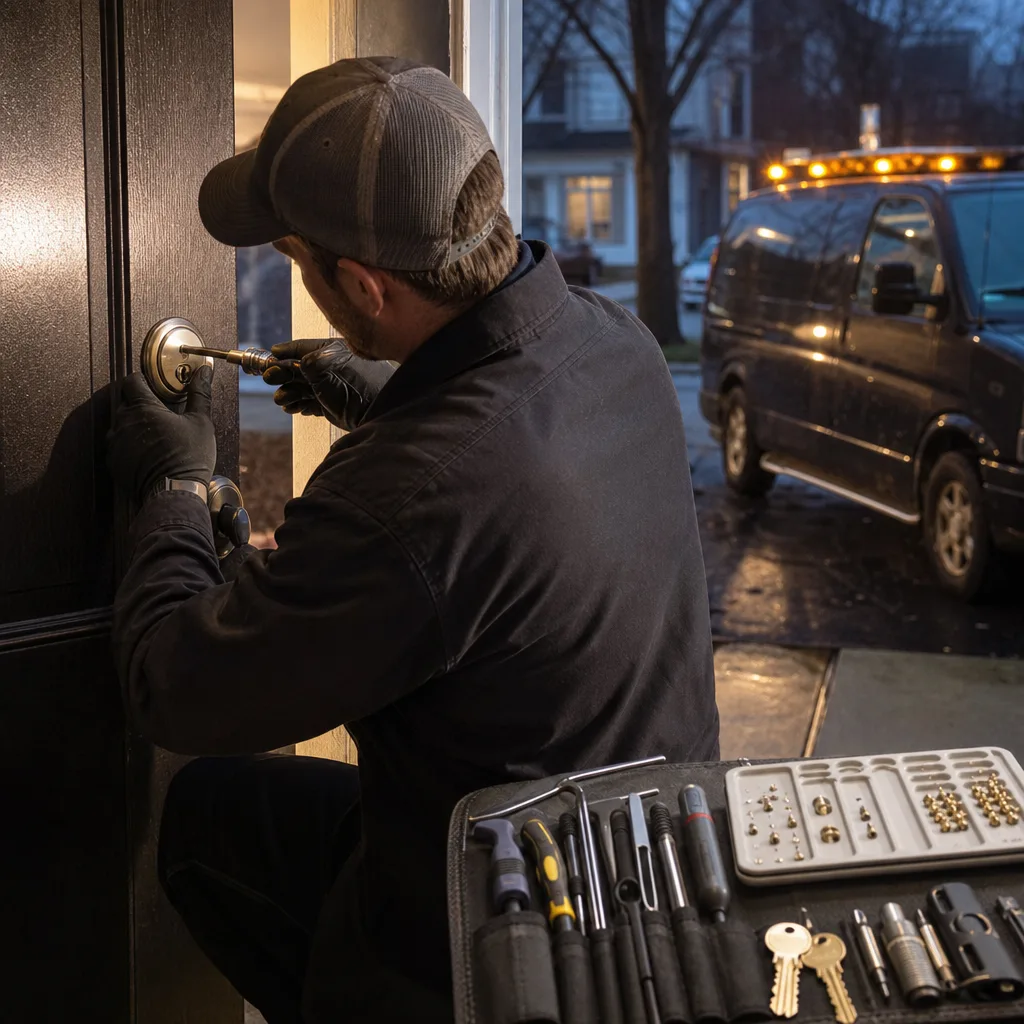
The locksmith industry conflates emergency and standard pricing deliberately, creating confusion that benefits providers who can charge whatever the distressed customer will accept. We separate these explicitly.
Emergency lockout service in Chicago: You’re locked out, it’s urgent, you need entry now. Our standard hours rate applies 7 AM-7 PM daily; after-hours emergency applies 7 PM-7 AM. The price is quoted firm before dispatch, includes all labor to gain entry, and does not increase if the job takes longer than expected. Residential lockout during standard hours: $85-$150 depending on lock type and entry method required. After-hours emergency: $150-$225. Automotive lockout: $75-$150 standard, $125-$200 after-hours. These ranges are specific to Chicago market conditions - our labor costs, insurance, and vehicle fleet reflect Cook County operating expenses.
Scheduled service: Rekeying after move-in, hardware upgrades, security surveys, master key system design. These are booked by appointment, priced by scope, and performed during standard hours. Rekeying: $19-$35 per cylinder, with minimum trip charge that covers travel and first cylinder. Lock installation: $75-$150 labor per lock depending on door modification required, plus hardware at our cost or yours. Security survey: free with any service call, or $75 standalone with written report.
Commercial and access control: Never emergency-priced. These are surveyed, scoped, and flat-priced per lock or per opening. We do not dispatch for commercial work without a site visit or detailed photo survey, because commercial door hardware varies enormously - aluminum storefront, hollow metal, wood, glass - and each requires different preparation. Commercial locksmith in Chicago projects receive a written scope with flat per-lock pricing, installation timeline, and warranty terms before any work begins.
The key distinction: emergency pricing covers the unpredictability of the situation - unknown lock condition, unknown entry method, time pressure. Scheduled pricing covers defined scope with preparation possible. Any provider who applies emergency rates to scheduled work, or who cannot explain which structure applies to your call, is operating ambiguously by design.
Common Mistakes to Avoid
- Searching only by neighborhood name. “Locksmith Lincoln Park” returns directory middlemen who bought that keyword, not necessarily operators with Illinois licenses. Verify the license, not the neighborhood targeting.
- Accepting verbal quotes. A price given only by phone, not confirmed in writing, can change at the door. The technician knows you’re unlikely to send them away after waiting 45 minutes in February.
- Not asking about the technician’s employment status. “Are you an employee or subcontractor?” is a fair question. Subcontractors paid per lead have structural incentive to maximize invoice value.
- Ignoring lock grade. A $29 deadbolt from a hardware store is Grade 3 - residential light duty, tested to 200,000 cycles. Grade 2 (standard residential) lasts 400,000 cycles. Grade 1 (heavy duty residential/commercial) lasts 800,000. The price difference is $30-$80; the durability difference is years.
- Hiding spare keys poorly. The fake rock, the door frame, the mailbox - we’ve found them all, usually after a break-in. A lockbox with a combination, properly installed, costs less than one service call.
- Rekeying only the front door after move-in. Previous owners, contractors, cleaners, dog walkers, neighbors who watered plants - keys proliferate. We recommend rekeying all exterior cylinders to a single key, including garage service doors and basement entries.
- Neglecting maintenance. Chicago’s climate requires annual lock lubrication with graphite or Teflon-based products, not WD-40 (which attracts dust and gums mechanisms). A $5 maintenance prevents a $150 emergency call.
When to Call a Professional
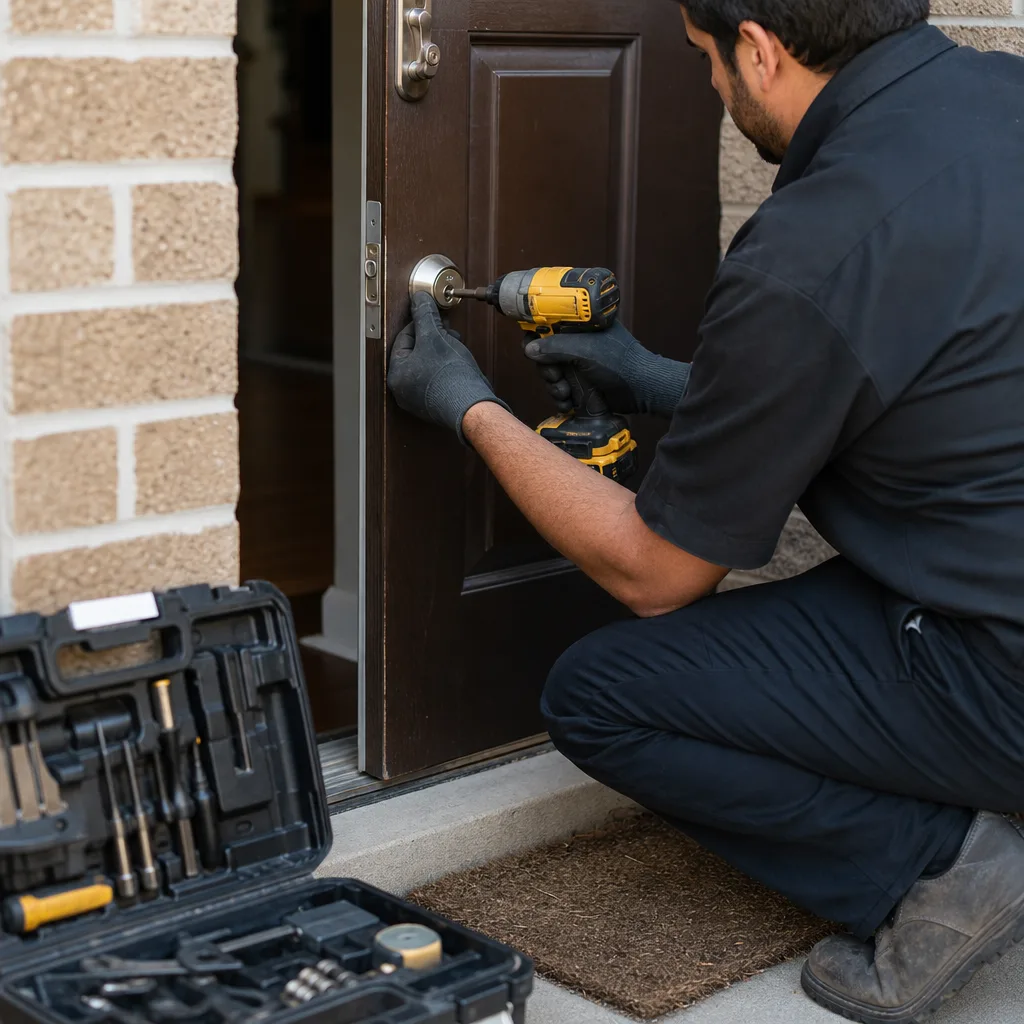
Call a licensed locksmith when you’re locked out and cannot verify an alternative entry method, when you’ve moved into a new home and need key control, when your lock is damaged or malfunctioning, when you need security hardware upgraded or assessed, or when you require commercial keying systems or access control. For genuine emergencies in Chicago - children or vulnerable adults locked inside, medical equipment or medication inaccessible, gas leak or fire hazard requiring immediate exit - call 911 first; we coordinate with emergency services when needed.
Novak Lock & Security Chicago offers free estimates for all scheduled work in Chicago. Emergency lockout pricing is quoted firm by phone before dispatch. Call (331) 202-1318 to speak with a live person - no voicemail queue, no callback window, no automated system.
Frequently Asked Questions
Residential lockouts in Chicago typically run $85-$150 during standard hours (7 AM-7 PM), rekeying costs $19-$35 per cylinder with a minimum trip charge, and lock installation labor ranges $75-$150 per lock plus hardware. After-hours emergency service adds $50-$75 to standard rates. Novak Lock & Security Chicago quotes firm prices by phone at (331) 202-1318, and Haven Standard Clause 1 prohibits any price change at your door.
Request the company’s Illinois IDFPR locksmith license number and the individual technician’s PERC number before anyone dispatches. Verify both on the IDFPR website. A legitimate Chicago locksmith provides these immediately; hesitation or refusal is a signal to call elsewhere. Novak Lock & Security Chicago license 455-001884 is available on request, and every technician’s PERC is verified before assignment.
With Novak Lock & Security Chicago, yes - Haven Standard Clause 1 states the price on the phone is the price on the invoice, and our technicians are contractually prohibited from changing it. Industry-wide, this is not standard practice. Many Chicago locksmith calls are sold to subcontractors who operate on commission and have incentive to inflate the invoice. Always demand written confirmation of total price before dispatch.
Our average dispatch time in Chicago is 20-45 minutes depending on traffic, weather, and your neighborhood. During major lake-effect snow events or rush-hour incidents on the Kennedy or Dan Ryan, this may extend. We provide an estimated arrival window when you call and update you if conditions change. Call (331) 202-1318 for current availability.
Rekeying is sufficient if your existing hardware is in good condition and meets your security needs - we change the internal pin configuration so old keys no longer work, at $19-$35 per cylinder. Replace if locks are damaged, outdated (pre-1990s hardware often lacks modern security features), or if you want upgraded security such as high-security cylinders or smart locks. We inspect and report what we find before recommending either option.
Standard keys (Kwikset KW1, Schlage SC1) operate pin-tumbler cylinders that can be picked or bumped with common tools, and keys can be duplicated at any hardware store. High-security keys (Medeco M3, Mul-T-Lock MT5+) operate cylinders with additional locking elements - sidebars, rotating pins, dimple systems - that resist picking, drilling, and bumping. Duplication requires authorization and specialized equipment. We register high-security keys to the property owner and maintain control records.
Basic maintenance - lubrication with graphite, tightening visible screws - is reasonable DIY. Disassembly of lock cylinders, rekeying, or installation of new hardware requires specialized tools and knowledge; incorrect installation creates security vulnerabilities and may void manufacturer warranties. For Chicago’s common mortise locks in pre-war buildings, DIY repair often damages irreplaceable vintage hardware. We provide free second opinions on any competitor’s written estimate if you’re uncertain whether professional service is needed.
The Bottom Line
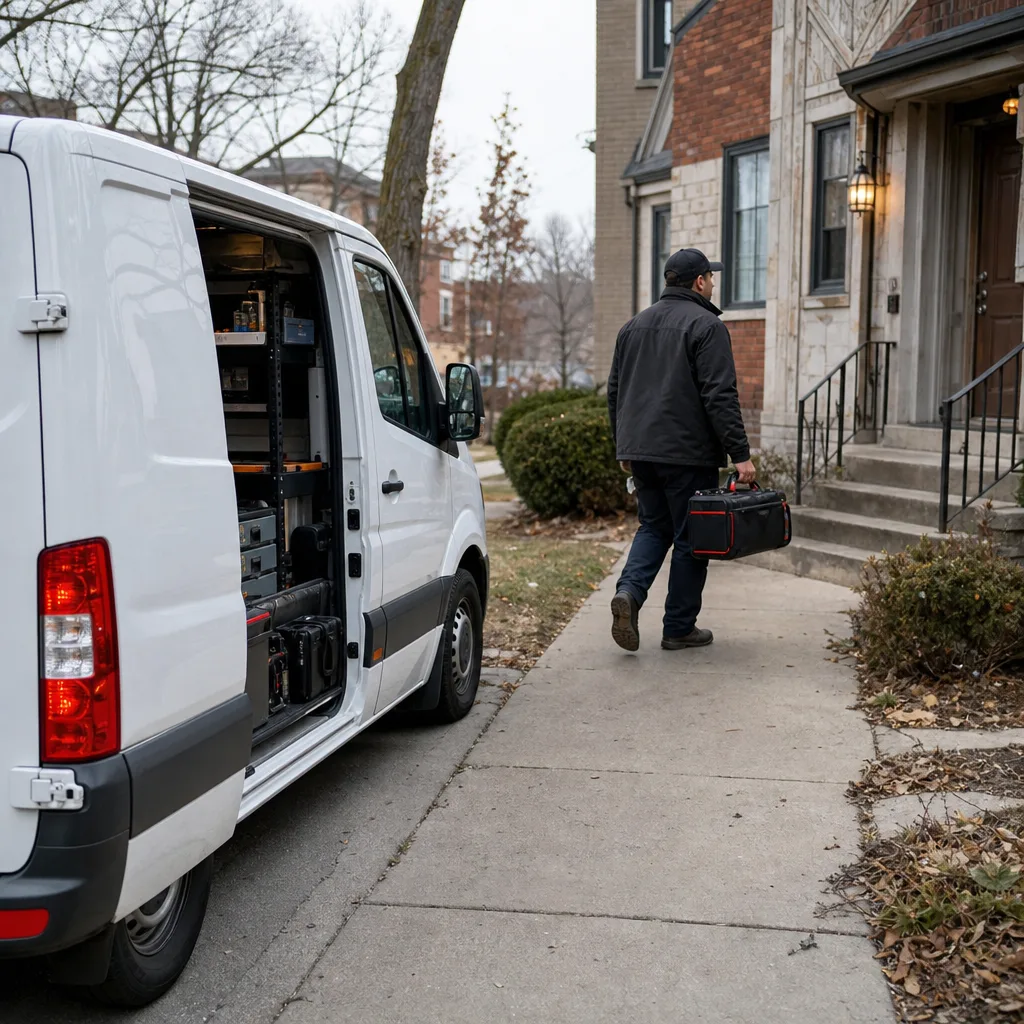
Chicago’s locksmith market is structurally designed to separate distressed customers from their money through information asymmetry, subcontractor opacity, and deliberate pricing ambiguity. The defenses are simple but require action before you’re in crisis: verify the Illinois license, demand written price confirmation, ask whether your technician is an employee or subcontractor, and know what your invoice should contain. Legitimate operators welcome this scrutiny; only the exploitative model depends on your not asking. Novak Lock & Security Chicago has operated under The Haven Standard since 2002 - written price before work, documented photo record after, background-checked uniformed technicians on every call, and the 365-Day Done Right Promise on everything we install. For free estimates, security surveys, or emergency service with firm upfront pricing, call (331) 202-1318. A live person answers, 24 hours a day.
Written by Daniel Novak, Owner at Novak Lock & Security Chicago, serving Chicago since 2002.