
Last updated September 25, 2026
Non-destructive entry first, always - and we re-key Schlage, Kwikset, and Baldwin locks on the spot while you watch
You get a price before we start. It does not change when we arrive. No surprises.
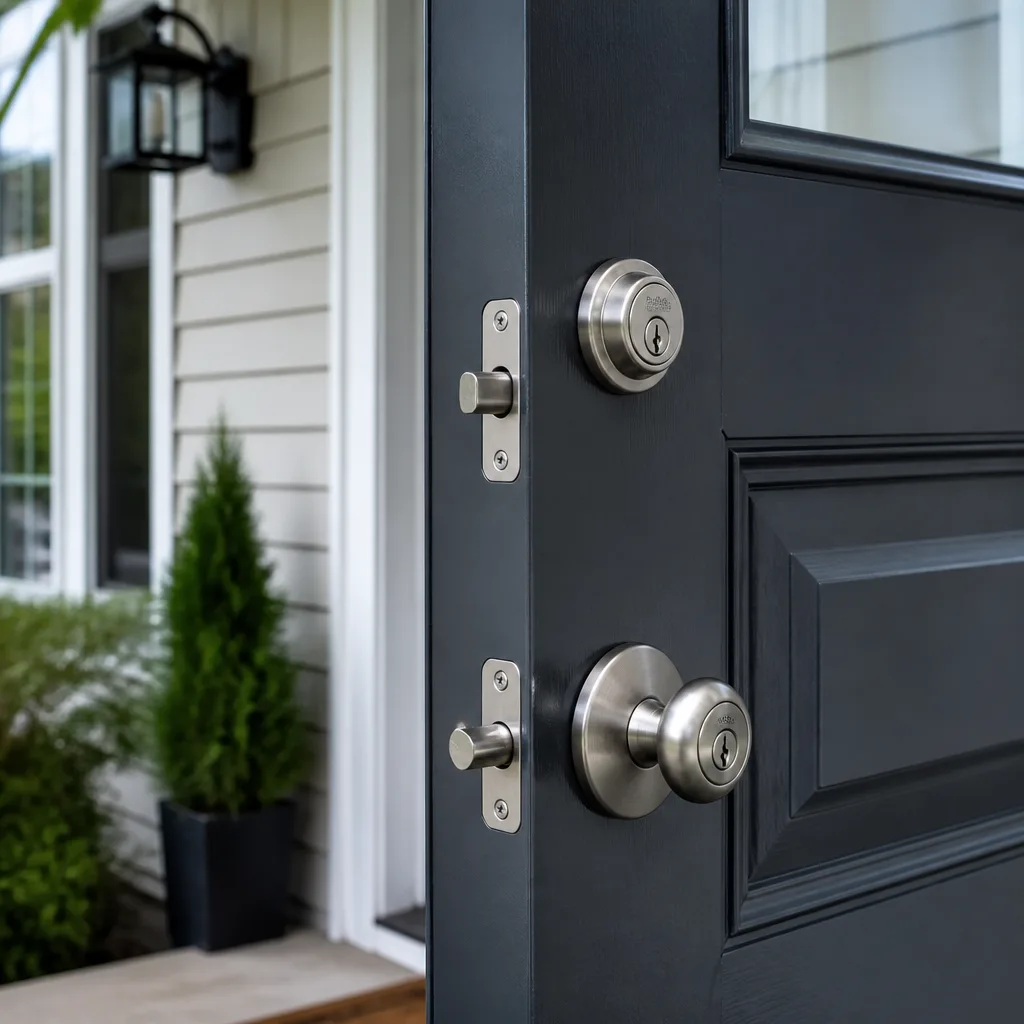
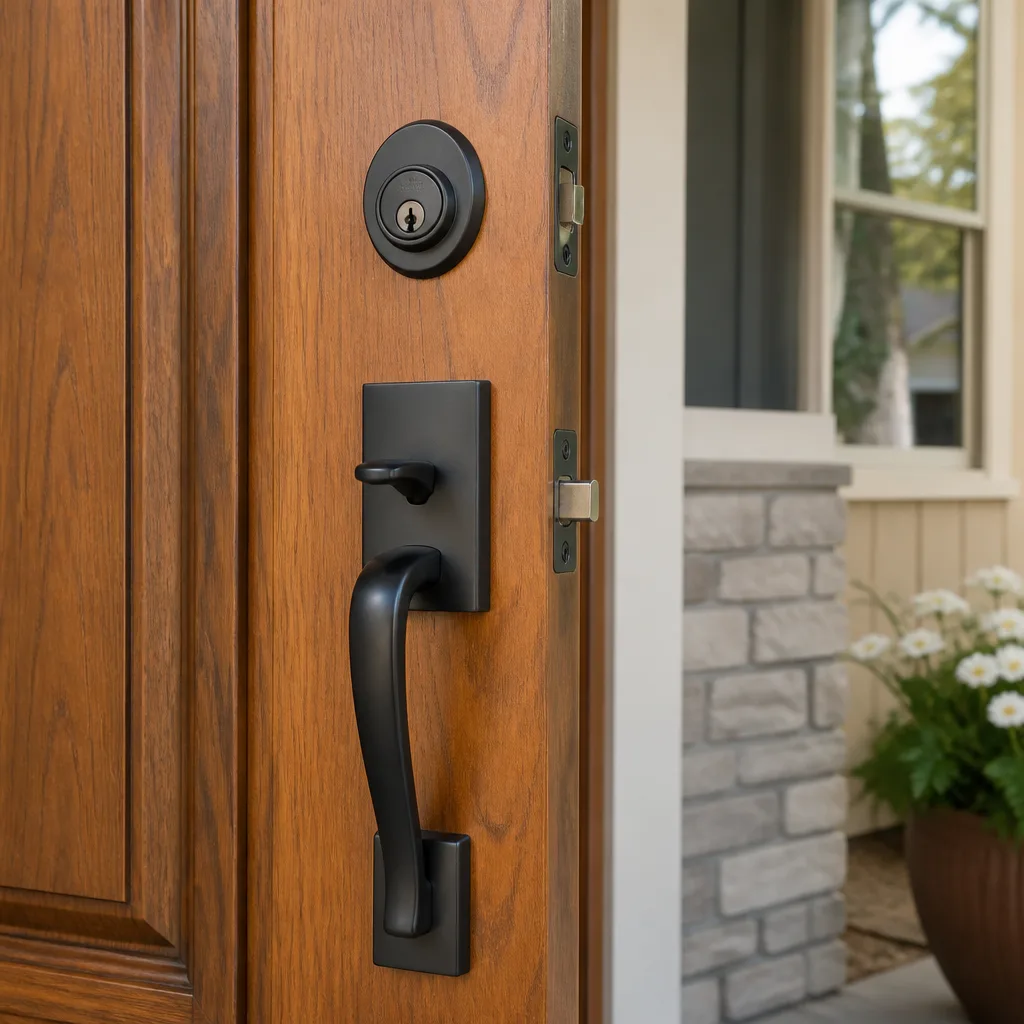
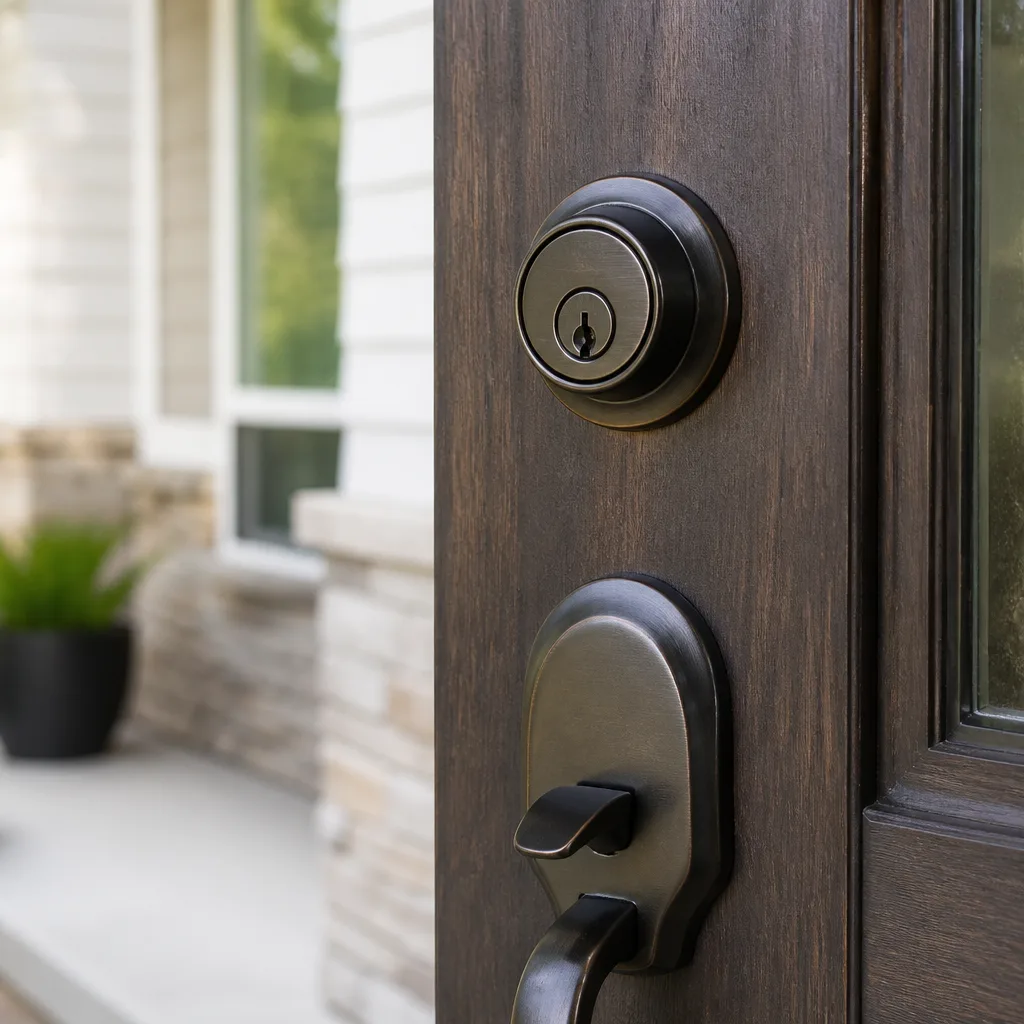
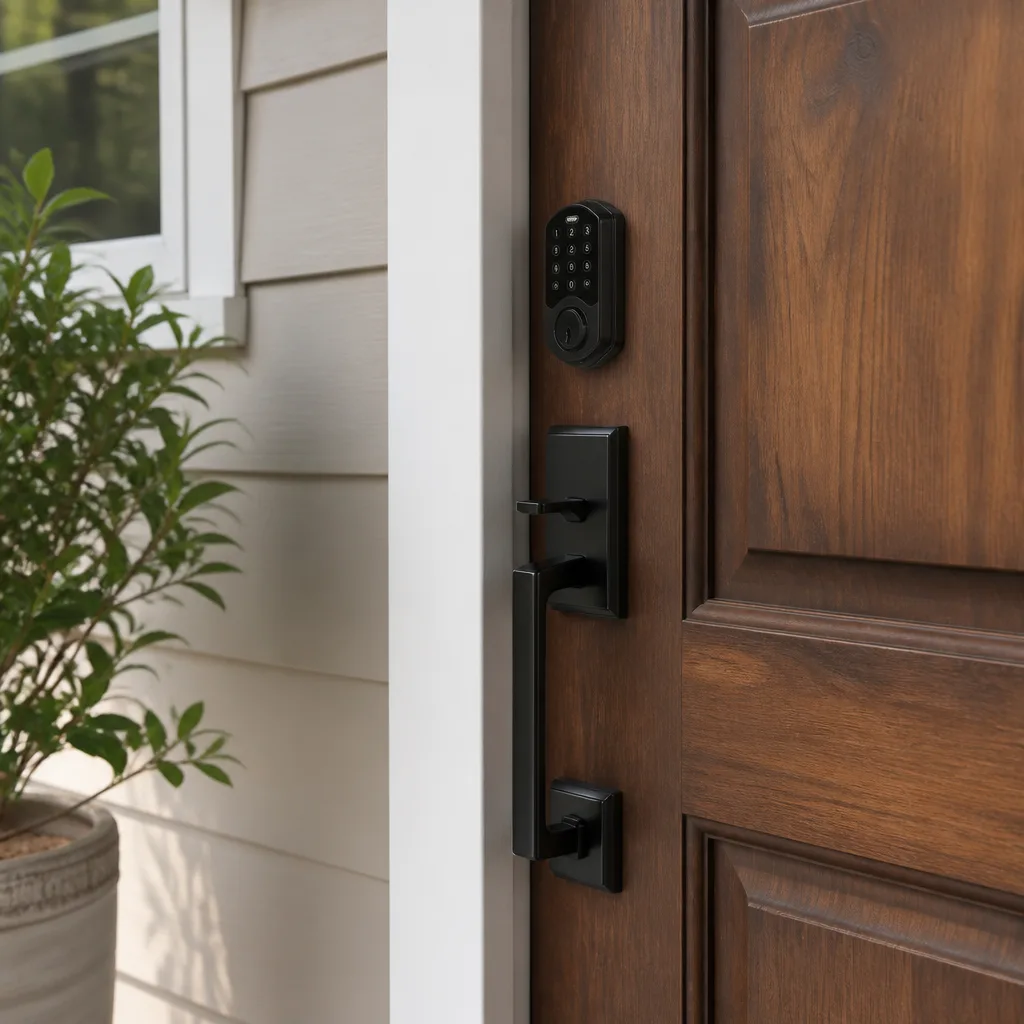
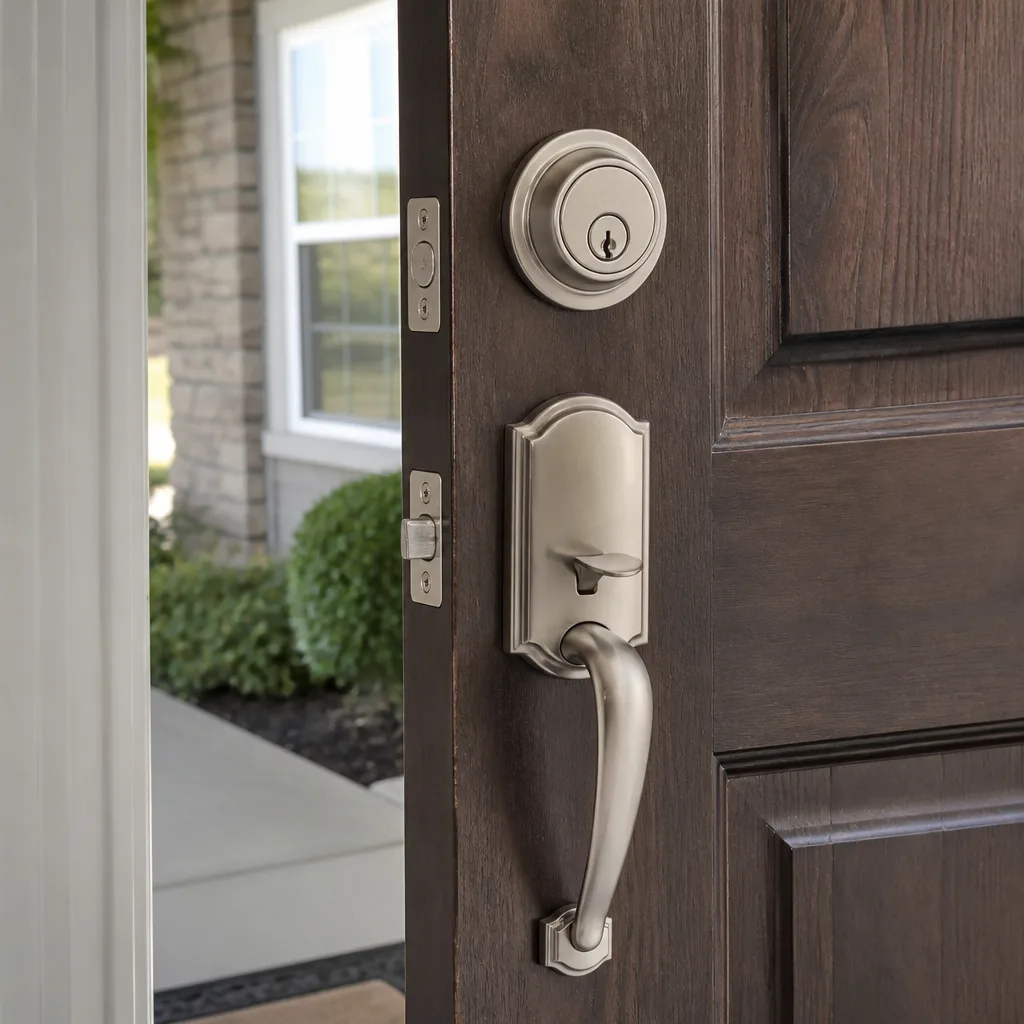
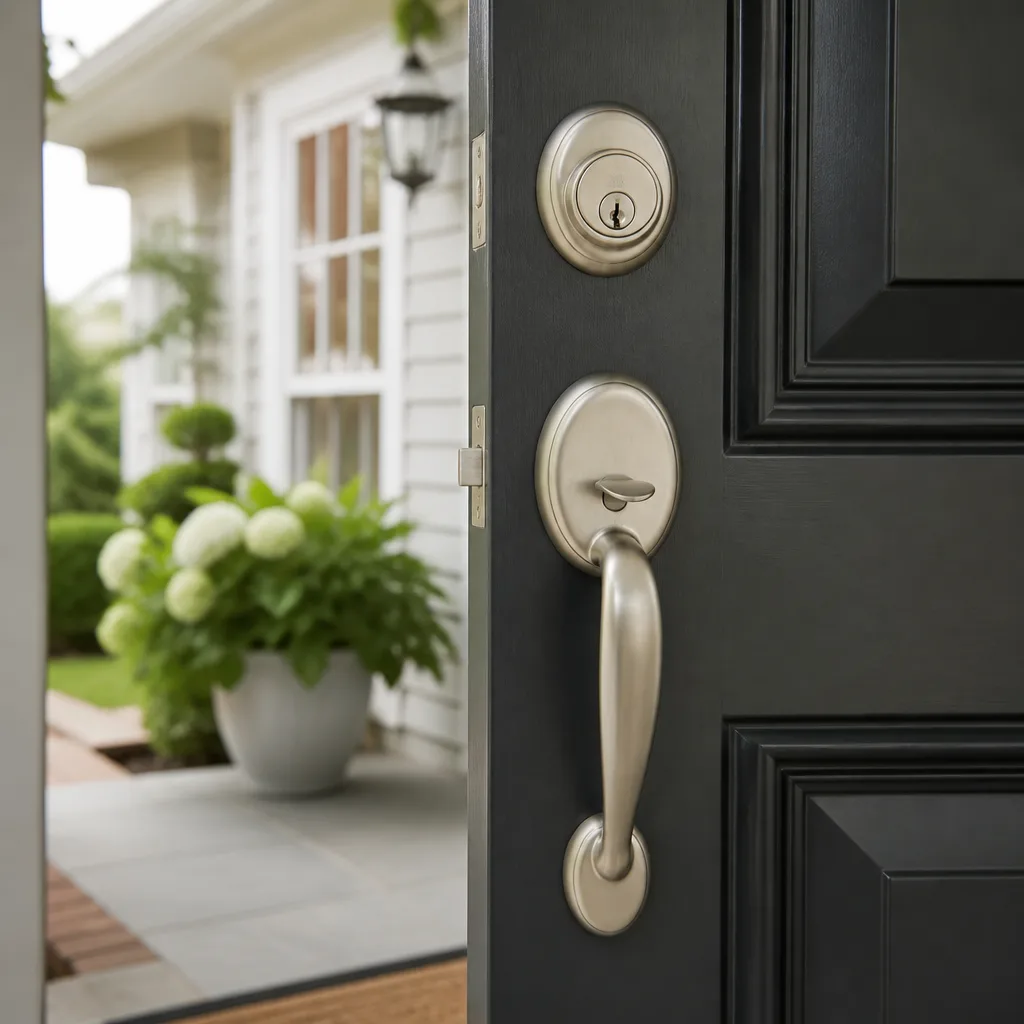
Locksmith Cost Breakdown: The Chicago Homeowner’s Reference for 2026
A standard residential rekey in Chicago takes eleven minutes with the correct tools. The cylinder pins cost under three dollars in materials. Knowing that doesn’t tell you what a fair total price is - but it tells you exactly how much margin exists for a dishonest operator to exploit. In this guide, we publish the component-level cost structure for the five most common residential locksmith jobs in Chicago so the quote you receive can be evaluated against a real benchmark. No vague ranges. No “it depends.” Just the numbers, the markup logic, and the specific line items to demand in writing.
Quick Answer
Residential locksmith services in Chicago in 2026 typically range from $85 for a basic rekey to $650+ for high-security lock installation with mortise preparation. A legitimate Chicago locksmith quotes a firm, itemized price before dispatch, credits any service call fee against the job total, and never adds undisclosed after-hours multipliers. The total invoice should reflect labor at $75-$125 per hour, materials at 30-50% markup over wholesale, and a dispatch fee of $35-$65 that converts to labor credit upon arrival.
Table of Contents

- What a Residential Lockout Should Cost in Chicago
- Rekey Pricing: Labor, Pins, and the Truth About Volume
- Deadbolt Replacement: Entry-Grade vs. High-Security Hardware Costs
- Full Lock Upgrade: Grade 1, Smart Locks, and Mortise Prep
- Broken Key Extraction: When It’s Simple and When It Isn’t
- After-Hours, Weekend, and Emergency Premiums: Real vs. Manufactured
- The Service Call Fee: What It Covers and When It’s a Trap
- How to Compare Two Chicago Locksmith Quotes Apples-to-Apples
What a Residential Lockout Should Cost in Chicago
Lockout pricing is where the Chicago market shows its widest variance, and where bait-and-switch operators concentrate their damage. A legitimate residential lockout in Chicago - single-family home or condo, standard pin-tumbler deadbolt or knob set, no electronic components - runs $85-$150 total during standard hours. That total includes dispatch, labor, and the unlock itself. The job typically takes 5-15 minutes with professional tools.
Here’s how that total breaks into real components:
| Component | Cost to Operator | Fair Customer Price |
|---|---|---|
| Dispatch/drive time (avg. 22 min in Chicago traffic) | $18-$28 technician wage + fuel | $35-$65 (credited to job) |
| Labor (unlock, 5-15 min) | $12-$30 wage | $50-$85 |
| Tools and consumables | $2-$5 | $5-$10 |
| Vehicle, insurance, overhead allocation | $8-$15 | $15-$25 |
| Reasonable margin | - | $20-$40 |
The Chicago-specific factor is parking and building access. In dense neighborhoods like Lakeview, Lincoln Park, or the West Loop, a technician may spend 10 minutes finding legal parking and another 5 navigating a high-rise freight entrance. That time is real labor and should be priced into the quote, not added as a surprise. We quote it in.
At Novak Lock & Security Chicago, Haven Standard Clause 1 applies: the price on the phone is the price on the invoice. For lockouts, that means a single number - no “service fee” that mysteriously persists after the job, no “after-hours surcharge” invented on the doorstep. Since 2002, every lockout has started with a written price and ended with a documented photo record.
Red flags in a Chicago lockout quote: any total under $75 (unsustainable without hidden add-ons), any quote that won’t commit to a maximum, any operator who asks “what kind of car is it?” for a residential call (a common script to pivot to automotive pricing). For a complete reference, see our Locksmith Warning Signs: A Chicago Homeowner’s Reference Guide.
Rekey Pricing: Labor, Pins, and the Truth About Volume
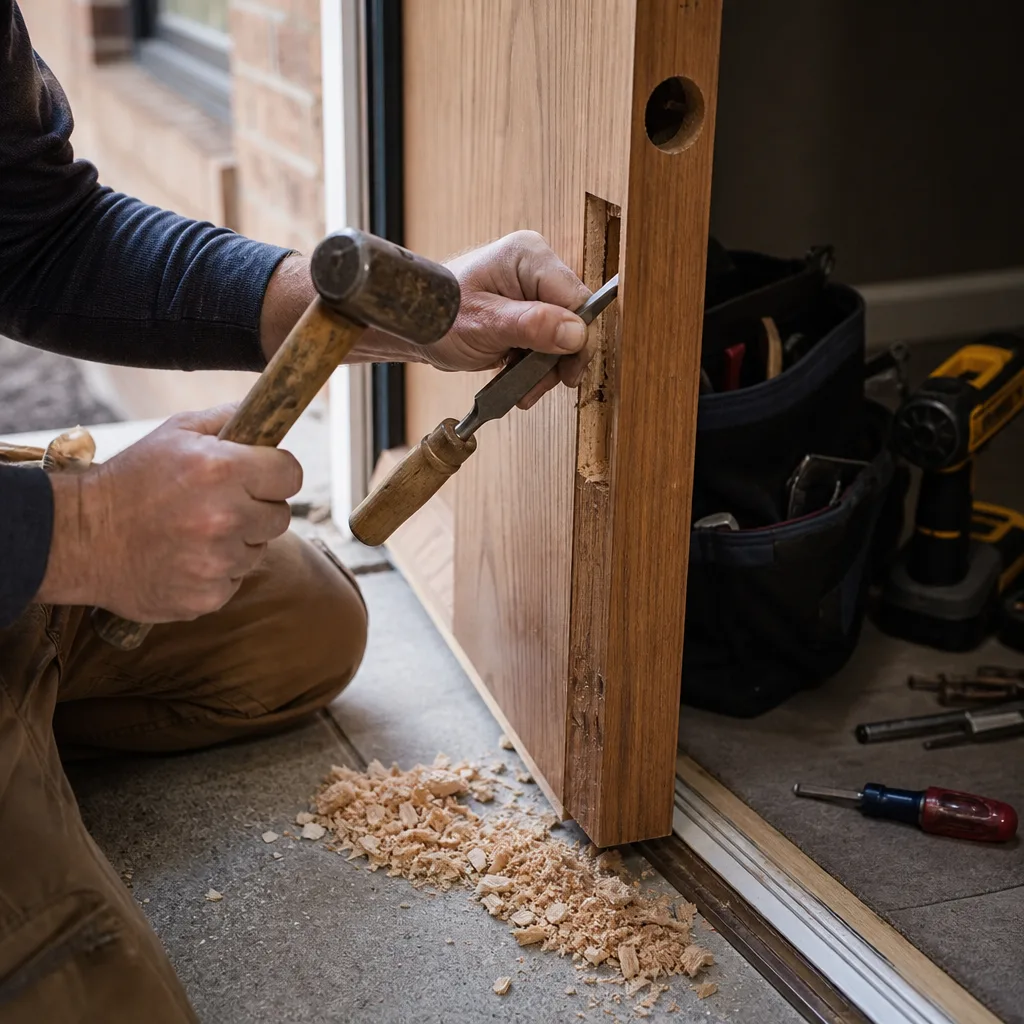
Rekeying - changing the internal pin configuration so old keys no longer operate the lock - is the most commonly needed residential locksmith service in Chicago. It’s also the most misunderstood in terms of fair pricing.
The material cost is minimal. A standard Schlage or Kwikset rekey kit contains bottom pins, top pins, and springs; the pins for a single cylinder cost $1.50-$3.00 at wholesale. The labor, with proper pinning tweezers and a working key, is 8-12 minutes per cylinder for an experienced technician. The skill is in reading the bitting code, selecting correct pin lengths, and verifying shear-line alignment - not in the time consumed.
Fair Chicago rekey pricing in 2026:
- Single cylinder (one door): $85-$125
- Two cylinders (front and back door, keyed alike): $140-$190
- Full home rekey (4-6 cylinders, typical Chicago bungalow or greystone): $220-$340
- Additional cylinders beyond six: $20-$35 each
The volume discount is legitimate. Setting up pinning tweezers and organizing key blanks for one cylinder takes nearly as long as the setup for four. The per-cylinder labor drops significantly with volume, and fair pricing reflects this.
Chicago-specific consideration: many pre-1940s brick bungalows in neighborhoods like Portage Park, Archer Heights, and Brighton Park have original mortise locks with bit-key or skeleton-key configurations. These require different pinning kits and often hand-filing to match existing keyways. A mortise rekey runs $45-$75 per cylinder in labor premium due to the non-standard preparation.
What we find on Chicago rekey calls: cylinders installed upside-down (pins facing down, accelerating wear), mismatched keyways from decades of incremental replacement, and Grade 3 hardware (builder-grade, lowest security rating) on front doors that should have Grade 2 minimum. We document each condition in the photo record left with the customer, with a written note on whether the cylinder is worth rekeying or should be replaced.
Haven Standard Clause 1 again: the dispatcher quotes a firm price, and the technician is not permitted to change it at the door. For rekeys, that price includes all cylinders discussed, all keys cut, and the documentation package. No exceptions in 60,000+ jobs since 2002.
Deadbolt Replacement: Entry-Grade vs. High-Security Hardware Costs
Deadbolt replacement pricing separates transparent operators from those who obscure hardware costs. The customer should know what the lock cost wholesale and what markup is applied. Here’s the actual 2026 wholesale and fair retail pricing for common residential deadbolts in Chicago:
| Lock Grade/Brand | Wholesale Cost | Fair Installed Price | Typical Markup |
|---|---|---|---|
| Grade 3 entry (Kwikset Titan, basic Schlage) | $18-$32 | $85-$140 | 35-45% |
| Grade 2 residential (Schlage B-series, Sargent 480) | $45-$75 | $160-$240 | 30-40% |
| Grade 1 commercial-duty (Schlage L-series, Sargent 8200) | $110-$180 | $280-$420 | 25-35% |
| High-security cylinder (Medeco, Mul-T-Lock, Abloy) | $85-$160 cylinder only | $220-$380 + labor | 30-40% |
| Smart lock (basic WiFi/Bluetooth) | $65-$140 | $180-$320 | 35-45% |
The markup percentage inverts with hardware grade. Entry-grade locks carry higher percentage markup because the installation labor is a larger proportion of total job value; high-security hardware carries lower percentage markup but higher absolute dollar margin. This is standard retail economics, not exploitation - but the customer should see it.
Chicago installation factors: exterior doors in frame construction (common in post-1950s Chicago housing) typically require 30-45 minutes for deadbolt replacement. Solid-core or fire-rated doors in high-rises - common in Streeterville, New Eastside, and the South Loop - may need 60-90 minutes due to metal door prep, strike plate alignment with existing frame hardware, and compliance with building management keyway restrictions.
We specify the hardware grade in every quote. “Schlage B60N Grade 1 deadbolt, single cylinder, satin nickel finish, installed with reinforced strike plate and 3-inch screws into framing member.” That specificity protects both parties. The customer knows exactly what they’re buying; we know exactly what we’re warranting under the 365-Day Done Right Promise.
Factory-authorized work matters for warranty validity. Medeco, Mul-T-Lock, and Abloy cylinders installed by non-authorized technicians may carry voided manufacturer warranties. Novak Lock & Security Chicago maintains authorization across the full security spectrum, and we document authorization numbers in the written scope provided to the customer.
Full Lock Upgrade: Grade 1, Smart Locks, and Mortise Prep
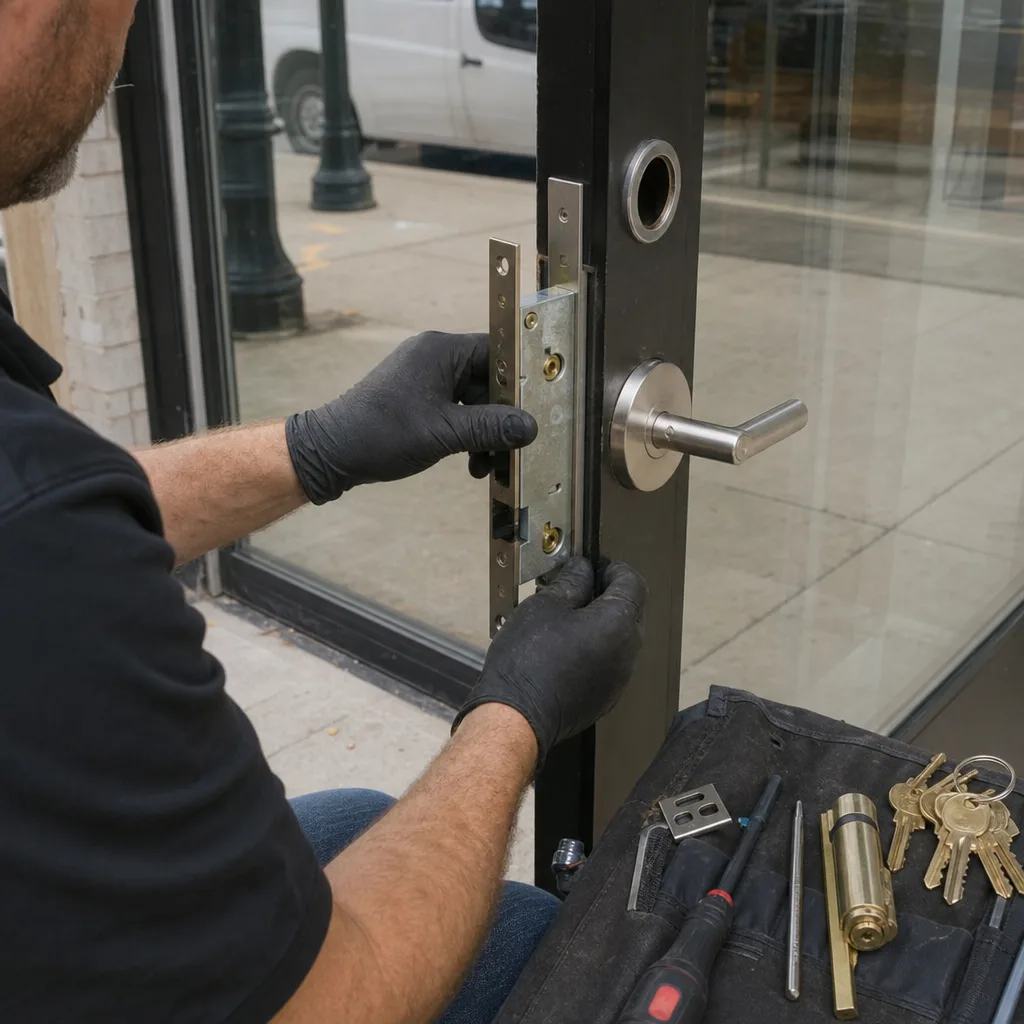
A full lock upgrade - replacing an entire entry set including knob/lever, deadbolt, strike hardware, and often the door prep - represents the largest residential locksmith investment most Chicago homeowners make. The range is wide because the scope varies dramatically.
Three typical Chicago upgrade scenarios:
- Standard entry set replacement (Grade 2 lever + single-cylinder deadbolt, no door modification): $280-$420 installed. This covers most 1960s-1990s Chicago frame houses with standard 2-1/8″ bore and 1″ crossbore.
- Grade 1 commercial-duty residential install (Schlage L9000 series or Sargent 8200 with lever, mortise cylinder, and integrated deadbolt): $480-$720 installed. Requires mortise pocket cut into door edge, typically 90-150 minutes labor. Common in high-traffic multi-unit entries and single-family homes where the owner wants maximum physical resistance.
- High-security full entry system (Abloy Protec2 or Mul-T-Lock MT5+ mortise with master key capability, reinforced strikes, and door frame strengthening): $850-$1,400 installed. This is the specification we recommend for Chicago homeowners in high-break-in corridors, ground-floor units with alley access, or properties that have experienced prior forced entry.
Smart lock installations add $40-$80 to base hardware labor for WiFi configuration, app pairing, and user code programming. The critical factor most competitors omit: smart locks require periodic firmware updates and battery replacement, and many Chicago buildings have WiFi dead zones in metal-framed entry vestibules. We note these conditions in the written scope so the customer understands ongoing maintenance, not just installation.
Chicago code and climate factors: the Chicago Building Code requires panic hardware on certain multi-unit common doors, and many condo associations mandate specific keyways for master key compatibility. We verify these requirements before quoting; see Locksmith Permits, Codes & Inspections in IL: What You Need to Know for deeper detail. Separately, Chicago’s temperature swings - from -20°F to 95°F annually - stress electronic components. We specify operating temperature ranges in smart lock quotes and recommend mechanical backup cylinders for exterior installations.
The photo record on every upgrade visit includes before, during, and after images of door prep, strike plate installation, and hardware alignment. This documentation has resolved dozens of warranty questions and insurance claims across our 60,000+ job history.
Broken Key Extraction: When It’s Simple and When It Isn’t
Broken key extraction pricing depends on where the key broke, how deeply, and what damage was done in attempted self-removal. The Chicago market shows $65-$180 for residential extractions, with the variance driven entirely by complexity, not by neighborhood or time of day.
Simple extraction - key broken at the shoulder, visible in the keyway, no prior digging with pliers or glue: $65-$95. Technician uses a broken key extractor tool (thin, barbed blade slid alongside the key fragment), typically 5-10 minutes. No cylinder removal required.
Moderate extraction - key broken below the shoulder, fragment recessed in keyway, or prior damage from amateur attempts: $95-$140. Requires cylinder removal, disassembly, and manual pin manipulation to free fragment. 20-40 minutes.
Complex extraction - key broken in high-security cylinder with sidebar or interactive elements (Medeco, Mul-T-Lock), or keyway damaged by prior attempts: $140-$180. May require cylinder replacement if warding is scored or sidebar track is damaged. We quote this range with a written maximum; if replacement proves necessary, we apply extraction labor credit against the replacement total, per Haven Standard Clause 1.
What we find on Chicago extraction calls: keys broken because they were already cracked from use as box cutters or pry tools, cylinders with graphite over-lubrication that has hardened to abrasive paste, and significant damage from YouTube-inspired extraction attempts using superglue or tweezers. We document the pre-existing condition and the extraction method in the photo record.
Safety note: never attempt to operate a lock with a broken key fragment remaining in the keyway. Doing so can drive the fragment into the pin chamber, destroying the cylinder and converting a $95 extraction into a $280 replacement. If the fragment is visible, stop. If it’s not visible, definitely stop. Call before the damage compounds.
After-Hours, Weekend, and Emergency Premiums: Real vs. Manufactured
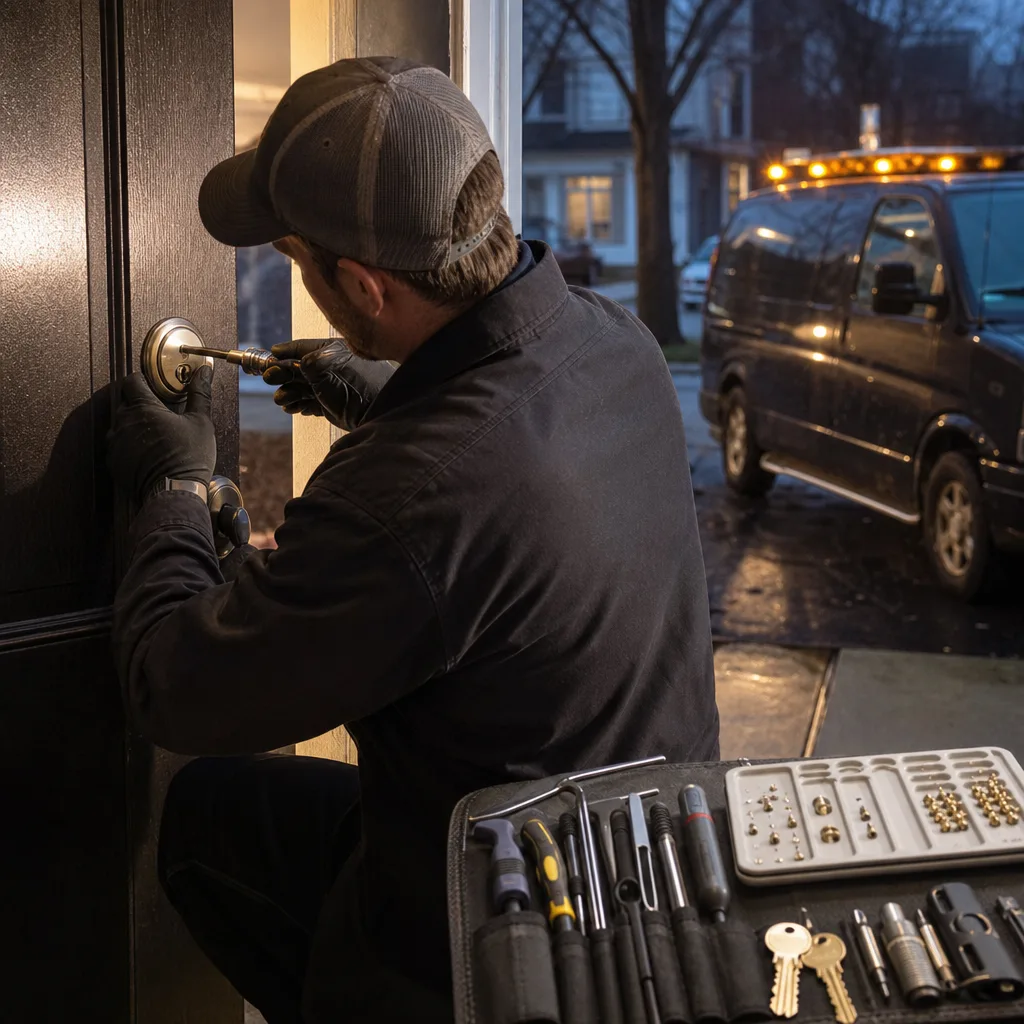
The locksmith trade has a well-documented pattern: quote a low daytime price, then multiply by 2x or 3x for “emergency” or “after-hours” service. This multiplication is often manufactured - not based on actual technician overtime costs, but on the customer’s perceived desperation.
Here’s how legitimate after-hours pricing works in Chicago:
| Time Period | Legitimate Premium | Manufactured Premium (Red Flag) |
|---|---|---|
| Weekdays 6 PM - 10 PM | 15-25% ($15-$35 on typical job) | 50-100% |
| Weekdays 10 PM - 7 AM | 25-40% ($25-$60) | 100-200% |
| Weekends (all hours) | 15-25% | 50-150% |
| Holidays | 25-50% | 200-300% |
The legitimate premium covers: technician overtime or on-call differential, reduced dispatch efficiency (fewer technicians covering wider areas), and the operational cost of 24/7 live answering. At Novak Lock & Security Chicago, calls are answered by a live person at all hours - no voicemail queue, no callback window. That staffing cost is real and is distributed across the after-hours pricing structure.
What is not legitimate: arbitrary multiplication of the entire job, undisclosed until arrival; “emergency dispatch fees” separate from and additional to standard service call fees; or time-based premiums applied to hardware costs (the lock does not cost more at midnight).
Our structure: the dispatcher quotes a single, total price that includes any time premium. The customer hears “Your total is $165, arriving in 35 minutes” - not “$85 plus emergency fee plus weekend surcharge plus hardware markup.” Haven Standard Clause 1 prohibits the technician from altering that total at the door, regardless of time or day.
Chicago-specific note: winter lockouts - keys frozen in locks, locks iced from wind-driven snow - peak January through March. The extraction technique differs (heat application, de-icer chemistry, patience to avoid cylinder damage), but the pricing structure does not. We do not apply “weather emergency” multipliers. The technique is different; the Clause 1 promise is identical. For year-round maintenance tips, read our Seasonal Locksmith Care for Chicago: Year-Round Homeowner’s Guide.
The Service Call Fee: What It Covers and When It’s a Trap
The service call fee is the most exploited line item in Chicago locksmith pricing. Here’s the distinction every homeowner needs to understand.
A legitimate service call fee covers: technician dispatch from base to location, fuel, vehicle wear, parking costs, and the administrative cost of scheduling and documentation. In Chicago, this runs $35-$65 depending on distance from the technician’s starting point. The critical practice: this fee is credited against the total job cost upon arrival and work authorization. If the quoted rekey is $125 with a $45 service call fee, the invoice reads $125 total - not $170.
The trap: a service call fee that persists as a standalone charge, plus additional labor charges, plus hardware markup. This structure - common in bait-and-switch operations - means the customer pays $45 for arrival, then $85 for labor, then marked-up hardware, converting a quoted $125 job into $220+.
How to identify the trap in a Chicago locksmith quote:
- The quote includes “service call” and “labor” as separate, non-creditable lines
- The quoted total is suspiciously low ($49-$69 for any service), with the understanding that “labor is additional”
- The operator cannot or will not state a maximum possible total
- The operator asks for payment of the service call before revealing the full scope
At Novak Lock & Security Chicago, we do not quote service call fees as separate revenue. The dispatch cost is built into the single, firm price quoted on the phone. The customer knows the total before anyone drives. The technician is contractually prohibited from adding charges at the door - not by policy, by the Haven Standard documentation framework that governs every job across all ten Haven brands.
Chicago parking reality: in metered zones and residential permit areas, technicians may incur $7-$15 in parking fees. This is absorbed in our quoted price, not itemized as a surprise. We have operated in Chicago since 2002; parking costs are not news to us and should not be news to the customer on the invoice.
How to Compare Two Chicago Locksmith Quotes Apples-to-Apples

Locksmith quotes are only comparable when they contain identical line items. Here’s the specific documentation to require from any Chicago locksmith, and how to evaluate what you receive.
Required line items for valid comparison:
- Hardware specification - Manufacturer, model number, finish, and grade. “Schlage B60N 619 Grade 1 single cylinder deadbolt, satin nickel” is comparable. “High-security deadbolt, silver” is not.
- Labor hours or flat rate - Stated explicitly, with scope of work (install only, or including removal, disposal, door prep, strike reinforcement).
- Service call / dispatch fee - Stated separately, with explicit statement of whether it credits against total or stands alone.
- Key quantity and type - Number of keys included, whether they are standard or restricted keyway, and cost of additional keys.
- Warranty terms - Duration, coverage scope (hardware only, or hardware and labor), and documentation method.
- Total maximum - The highest possible invoice amount, with conditions under which it could be exceeded and by how much.
Evaluation questions to ask:
- Does Quote A’s “Grade 2 lever” match Quote B’s specific model? A Schlage AL-series and a generic import both claim “Grade 2” but differ by $60 in wholesale cost and 10+ years in service life.
- Does either quote omit the service call fee entirely? This often means it will appear on the invoice, unstated.
- Does the warranty require return visits by the original technician, or any authorized technician? Geographic restrictions matter in a metro area.
- Is the quote valid for a specific period, or does it expire? Chicago material costs fluctuate; a 30-day quote validity is standard.
Our free second opinion service: bring us any competitor’s written estimate and we will review it item-by-item at no charge. We have done this since 2002. The goal is not to undercut - it is to identify where scope is missing, hardware is unspecified, or fees are structured to obscure true cost. A quote with three line items cannot be compared to a quote with ten; the detail itself is a credibility signal. Browse more guides & resources to compare quotes with confidence.
For commercial properties and access control systems in Chicago, the comparison framework expands to include software licensing, credential programming, and integration with existing building systems. We provide written scopes for these evaluations with the same item-level specificity.
Common Mistakes to Avoid
- Accepting a phone quote without written confirmation. Verbal quotes are unenforceable. Demand email or text documentation before dispatch. In Chicago, bait-and-switch operators frequently claim “misunderstanding” about the quoted scope.
- Assuming all “licensed” locksmiths carry equal credentials. Illinois requires a state locksmith license; verify it at the Illinois Department of Financial and Professional Regulation. Ask for the license number and check it. Unlicensed operation is a misdemeanor and voids most insurance coverage.
- Ignoring keyway compatibility in multi-unit buildings. Many Chicago condos and vintage courtyard buildings use restricted keyways for master key systems. Installing incompatible hardware can trigger association fines and require complete rekeying of the building.
- Choosing hardware based on appearance alone. A $220 decorative handleset with a Grade 3 cylinder provides less security than a $140 Grade 2 deadbolt. Security grade, not finish, determines forced-entry resistance.
- Neglecting strike plate reinforcement. The strike plate is where forced entries succeed or fail. A Grade 1 deadbolt with a 1/2″ strike screw into door frame trim fails faster than a Grade 2 with 3″ screws into the structural framing member. We specify strike reinforcement in every installation quote.
- Failing to document pre-existing damage. Without a photo record, damage discovered after service becomes disputed. Our documented photo record, left with the customer at job completion, eliminates this ambiguity.
When to Call a Professional
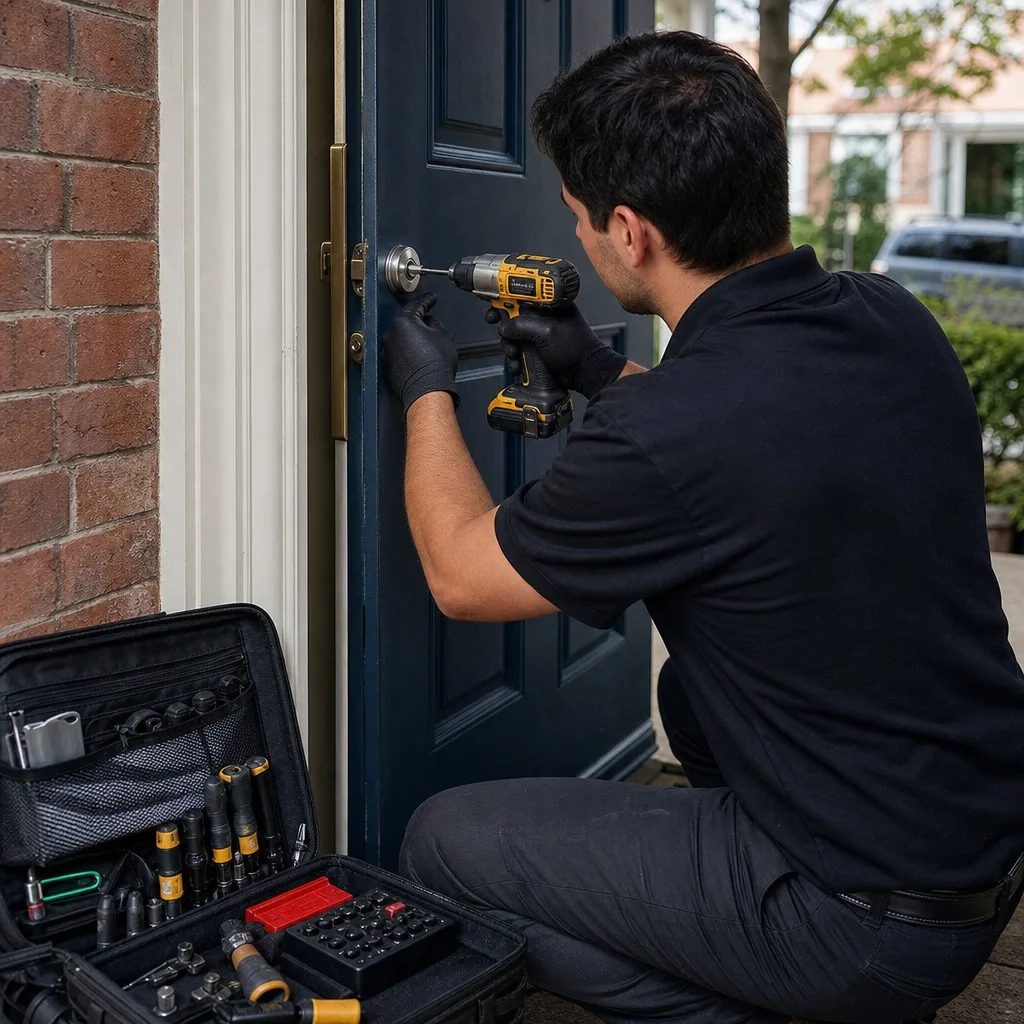
Call a locksmith when: you’re locked out and the property is unoccupied by someone who can assist; a key has broken in any lock; you’ve moved into a new home and cannot account for all existing keys; your lock exhibits stiffness, misalignment, or requires jiggling to operate; or you’ve experienced a break-in or attempted forced entry. These are not DIY scenarios - improper technique damages cylinders, voids warranties, and can compromise insurance claims.
For Chicago homeowners in neighborhoods from Rogers Park to Beverly, Novak Lock & Security Chicago offers free estimates with itemized written scopes. Call (331) 202-1318. Every estimate includes hardware specifications, labor breakdown, and total maximum - before any dispatch is scheduled.
Frequently Asked Questions
Residential locksmith services in Chicago range from $85 for a basic rekey to $650+ for high-security lock installation, with lockouts at $85-$150 and deadbolt replacements at $160-$420 depending on hardware grade. The total should be quoted firmly before dispatch, with no undisclosed add-ons at the door. Call (331) 202-1318 for an exact quote - estimates are free.
At a legitimate Chicago locksmith, yes - the quoted price should match the invoice exactly. At Novak Lock & Security Chicago, Haven Standard Clause 1 contractually prohibits technicians from changing the phone-quoted price at the door, a rule in place since 2002. If a locksmith cannot commit to a maximum total before arrival, this is a significant red flag.
Illinois requires state licensure for locksmiths; verify any license number at the Illinois Department of Financial and Professional Regulation online portal. Unlicensed operators are common in Chicago and expose the customer to liability if damage occurs. We provide our license number on request and recommend verification for any locksmith you consider hiring.
Rekeying changes the internal pin configuration so old keys no longer work, keeping the existing hardware; replacing installs new hardware entirely. Rekeying at $85-$125 per cylinder is cost-effective when hardware is sound. Replacement is warranted when cylinders are damaged, hardware is Grade 3 (lowest security), or you want upgraded features like smart connectivity or high-security pick resistance.
Legitimate after-hours premiums run 15-40% depending on time and day; manufactured premiums of 100-300% are a bait-and-switch indicator. The premium should be disclosed in the initial quote, not revealed on arrival. At Novak Lock & Security Chicago, any time premium is included in the single total price quoted on the phone.
Require identical line items: hardware manufacturer and model, labor scope, service call treatment, key quantity, warranty terms, and total maximum. Quotes with vague descriptions like “high-security deadbolt” cannot be compared to specific model numbers. Our free second opinion service reviews competitor estimates item-by-item at no charge.
The Bottom Line
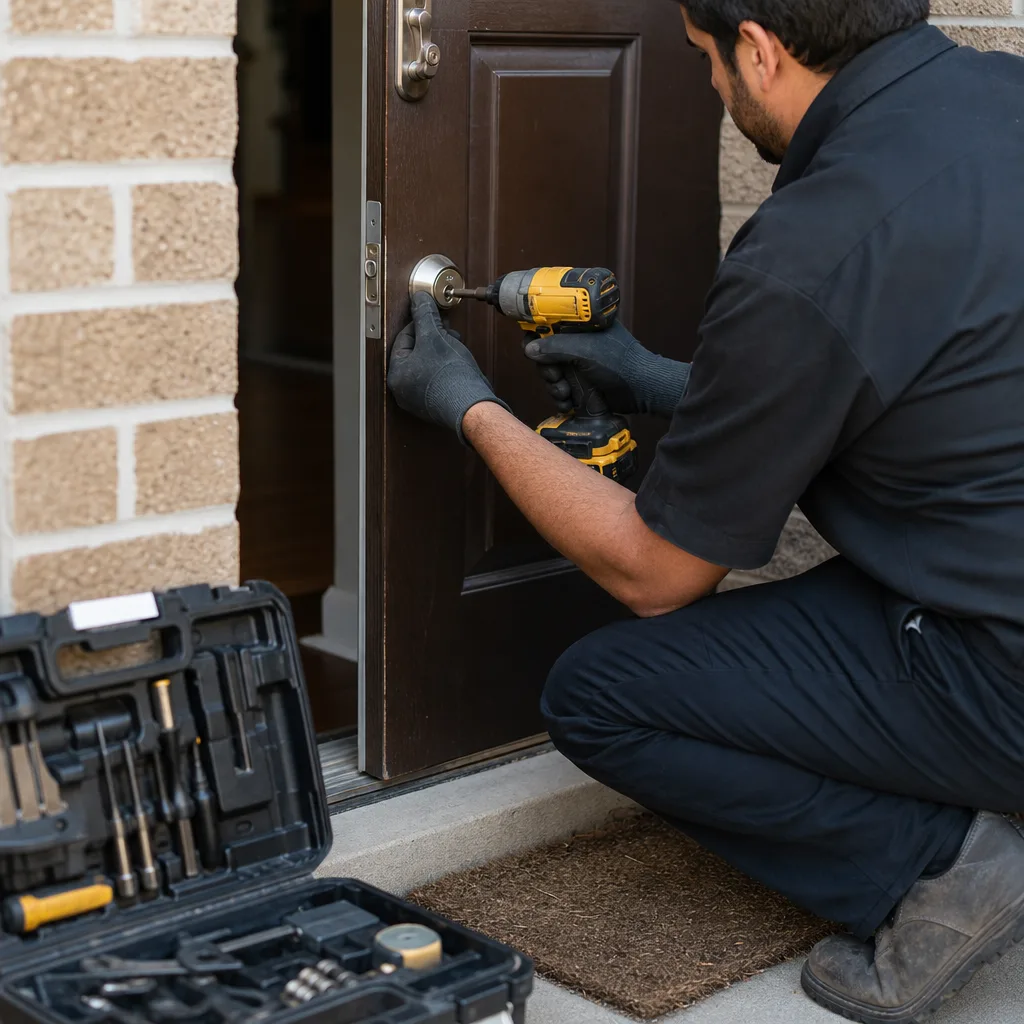
Locksmith pricing in Chicago is opaque by design, but it doesn’t have to be opaque to you. A fair quote names the hardware, names the labor, names the total, and guarantees that total in writing before anyone dispatches. The component costs in this guide - $1.50 in pins, eleven minutes in labor, $35 in dispatch - provide the benchmark to evaluate any quote you receive. The operators who won’t provide itemized detail are the same operators who benefit from your uncertainty. Demand specificity. Demand documentation. Demand the price on the phone become the price on the invoice, every time.
Written by Daniel Novak, Owner at Novak Lock & Security Chicago, serving Chicago since 2002.