
Last updated September 25, 2026
Non-destructive entry first, always - and we re-key Schlage, Kwikset, and Baldwin locks on the spot while you watch
You get a price before we start. It does not change when we arrive. No surprises.
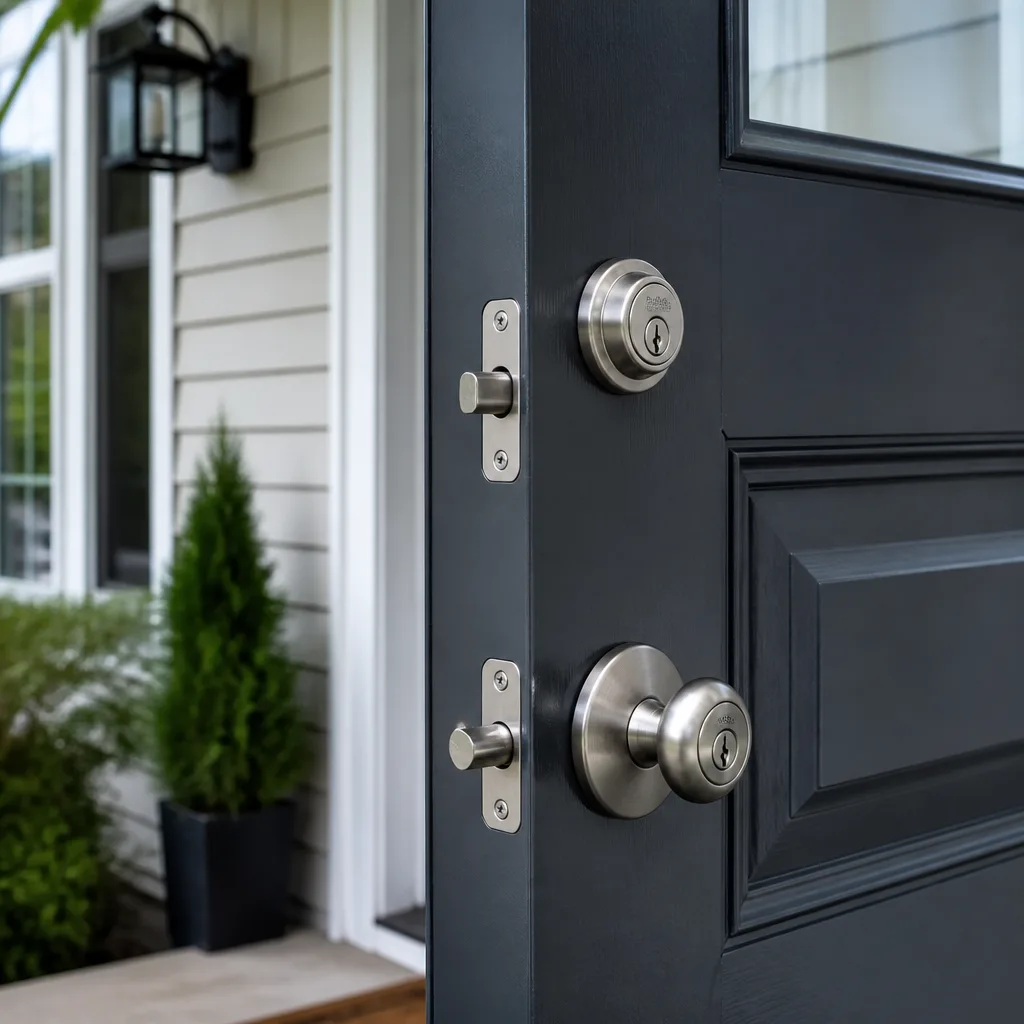
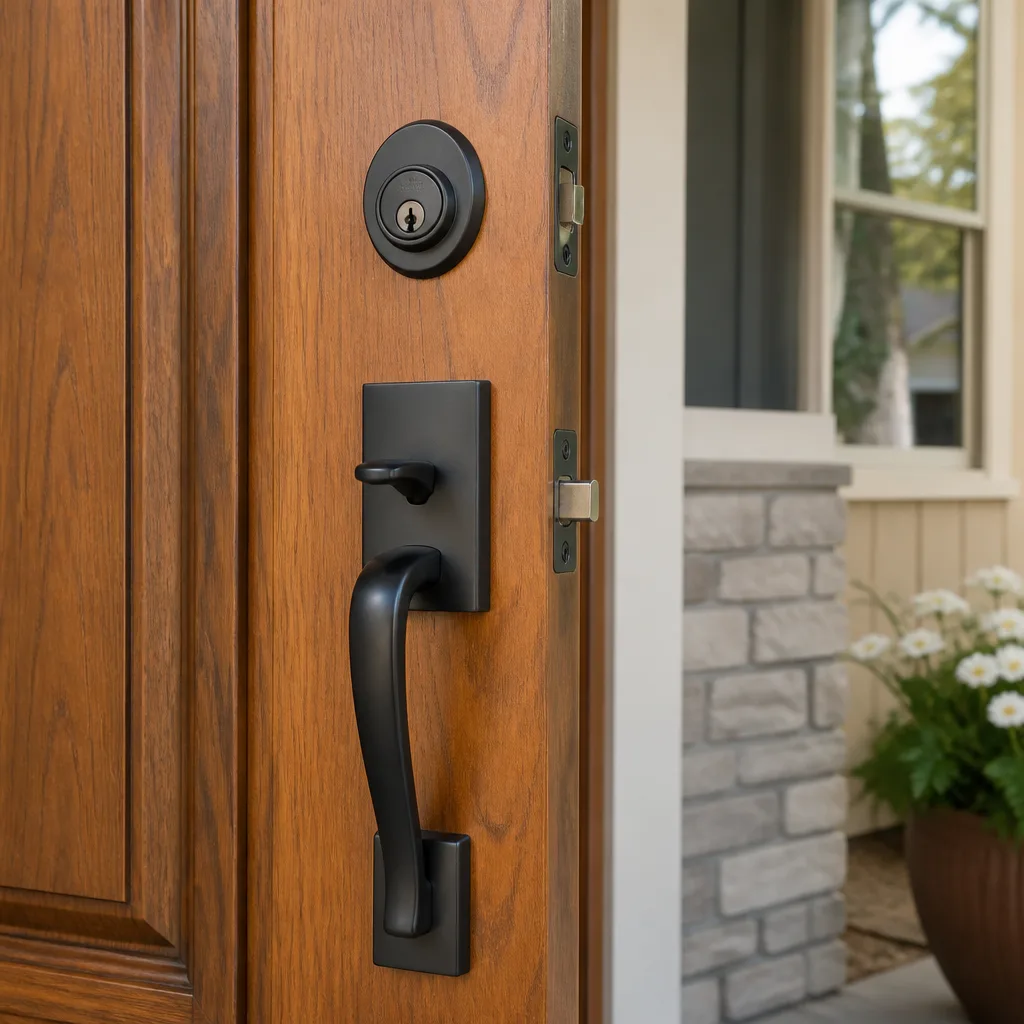
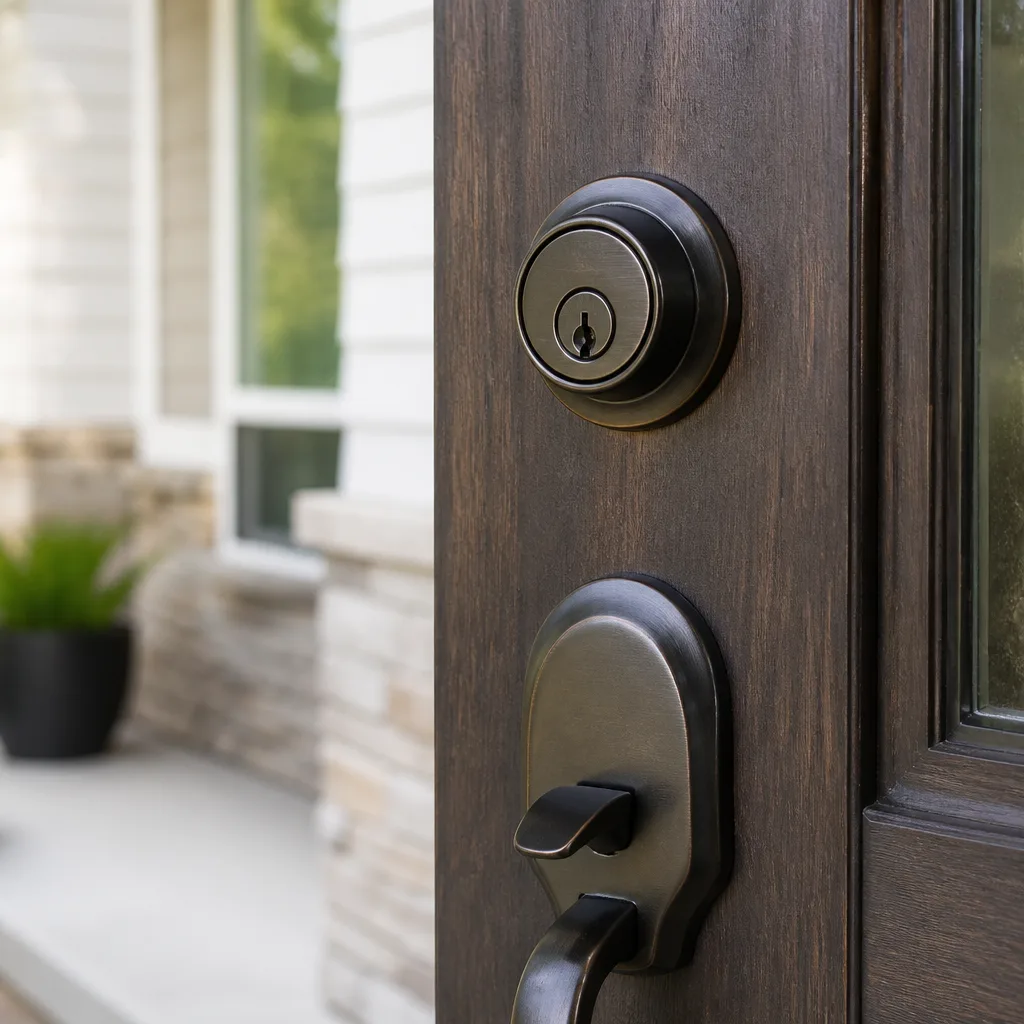
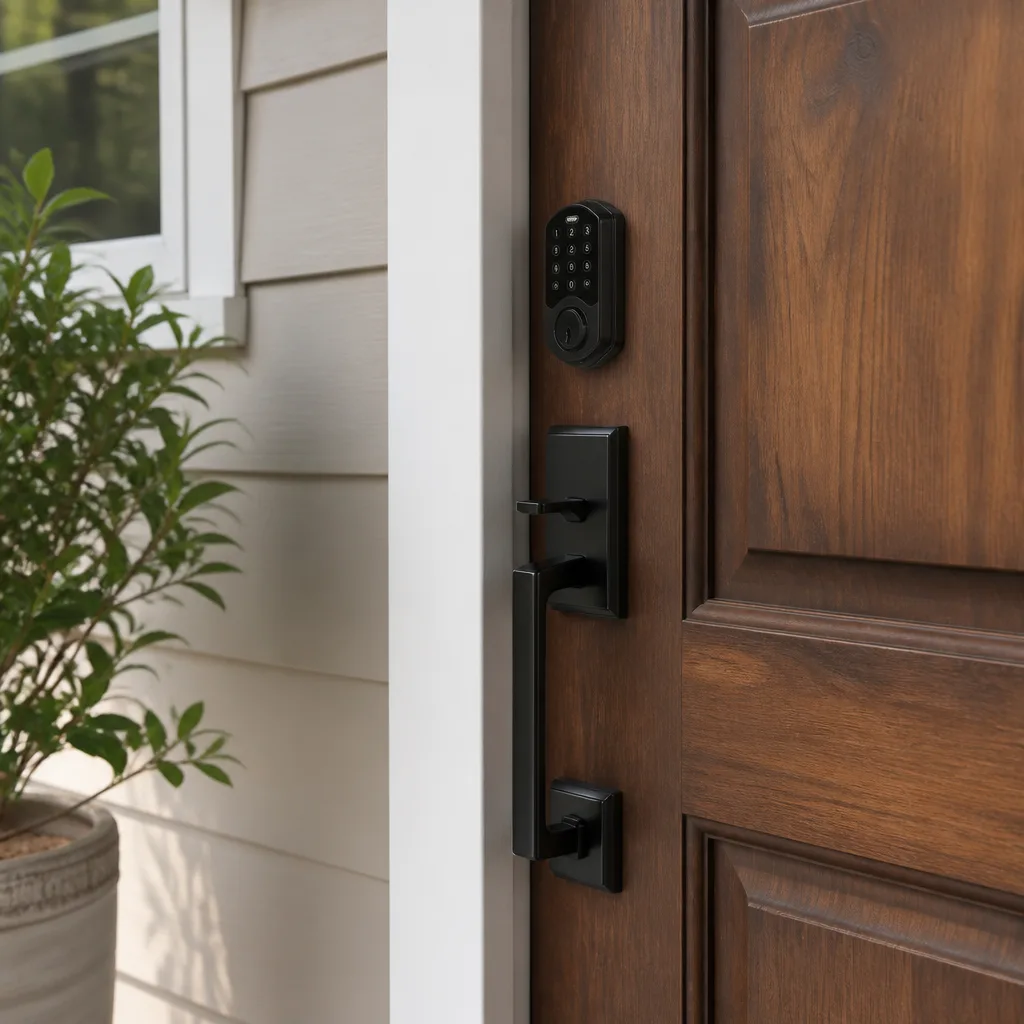
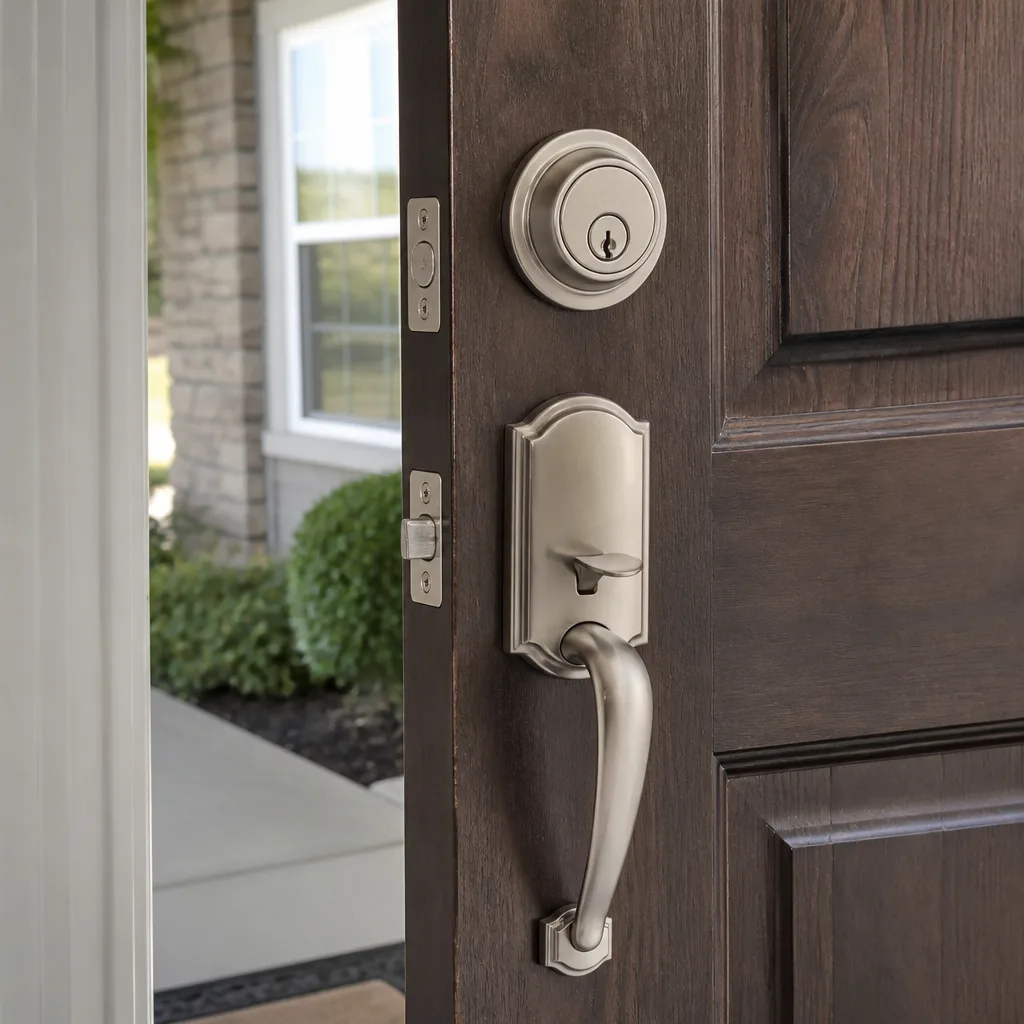
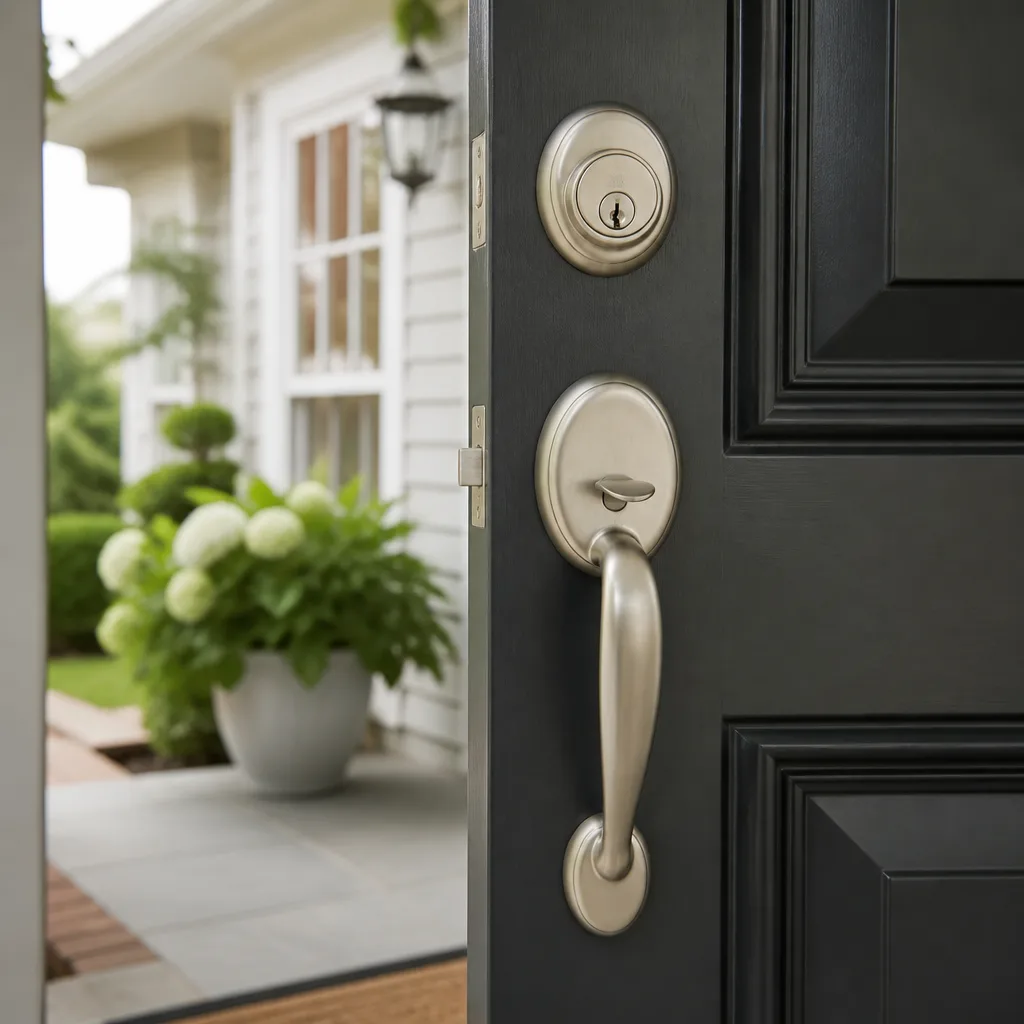

Seasonal Locksmith Care for Chicago: Year-Round Homeowner’s Guide
Deadbolt cylinders don’t seize on the coldest day of the year in Chicago. They seize in late January after two weeks of freeze-thaw cycling has pushed door frame moisture into the cylinder body, and it finally re-freezes at 4 a.m. when you’re trying to leave for O’Hare. Most homeowners treat lock maintenance as a single fall checklist, but our Commercial Locksmith Maintenance Checklist for Chicago Homeowners and year-round guidance show how Chicago’s climate inflicts four distinct mechanical stress patterns on residential hardware across the year. Each pattern requires a different intervention at a specific time. Miss three of those windows, and you’re not maintaining your locks - you’re waiting for them to fail.
Quick Answer
The Complete Guide to Locksmith in Chicago covers how seasonal locksmith care means four timed interventions: graphite lubrication before the first hard freeze in November, correct thawing of frozen cylinders in January and February without cracking the housing, post-winter frame inspection for heave-related deadbolt misalignment in April, and humidity-related strike plate adjustment in August. Brass and stainless steel cylinders perform differently under Lake Michigan’s salt-air exposure, and the wrong material choice in a Chicago installation will show its failure mode within 18 months.
Table of Contents

- November Protocol: Preparing for the First Hard Freeze
- January-February Protocol: Frozen Lock Recovery
- April Protocol: Post-Winter Frame and Alignment Inspection
- August Protocol: Humidity, Swelling, and Silent Damage
- Lock Hardware Materials and Chicago’s Climate
- Year-Round Maintenance Schedule
- Common Mistakes to Avoid
- When to Call a Professional
- Frequently Asked Questions
November Protocol: Preparing for the First Hard Freeze
The week before Thanksgiving in Chicago is when we start getting the first calls about sticky deadbolts. Homeowners describe turning the key and feeling resistance that wasn’t there in October. What happened is simple: overnight temperatures dipped below 32°F for the first sustained period, and the moisture that collected in the cylinder during October’s rain has begun to crystallize.
The correct November protocol has three parts, and skipping any of them means revisiting the same lock in January.
Graphite Lubrication of Cylinders
We use dry graphite powder, never oil-based lubricants. Oil attracts particulate matter - road salt, industrial grit, pollen residue - and turns into a sludge that jams pin tumblers by February. Graphite bonds to the metal surfaces and does not migrate.
The procedure: remove the key, apply graphite sparingly to the key blade, insert and withdraw five times, then rotate the plug fully in both directions. Wipe excess from the face of the cylinder. For Schlage and Kwikset residential cylinders, this takes under two minutes per lock. For high-security cylinders like Medeco or Abloy, the tolerances are tighter and the graphite application must be more precise - too much will foul the sidebar mechanism.
In neighborhoods near Lake Michigan - Streeterville, Gold Coast, Edgewater - we apply this protocol earlier, typically the last week of October. The lake effect extends the humidity season and the salt-air exposure begins sooner than inland areas like Logan Square or Portage Park.
Door Frame Alignment Inspection
Summer humidity in Chicago swells wood door frames. By late October, the frame has begun to contract, but unevenly. The deadbolt strike may have shifted 1/8 inch or more from its summer position. If the deadbolt throw now meets resistance, homeowners compensate by pushing harder on the door or forcing the key. This loads the bolt mechanism and wears the cam.
Check the strike plate with the door closed: the bolt should enter the strike without pressure on the door. If it doesn’t, the strike needs adjustment before winter. A misaligned strike in November becomes a seized deadbolt in January because the bolt is already partially loaded when ice forms.
Weatherstripping Check
Compressed or torn weatherstripping allows air infiltration that carries moisture directly to the lock face. In Chicago’s older housing stock - the greystones of Bronzeville, the frame two-flats of Pilsen, the brick bungalows of Archer Heights - original weatherstripping is often absent or deteriorated. We check the door-bottom seal and the jamb weatherstripping as part of our November service. Replacement is inexpensive and prevents the moisture accumulation that causes winter freeze failures.
The full November protocol, performed before the first sustained freeze, eliminates approximately 60% of the emergency calls we receive in January and February. Residential Locksmith in Chicago services from Novak Lock & Security include this seasonal inspection as a scheduled appointment, quoted in writing before we arrive.
January-February Protocol: Frozen Lock Recovery
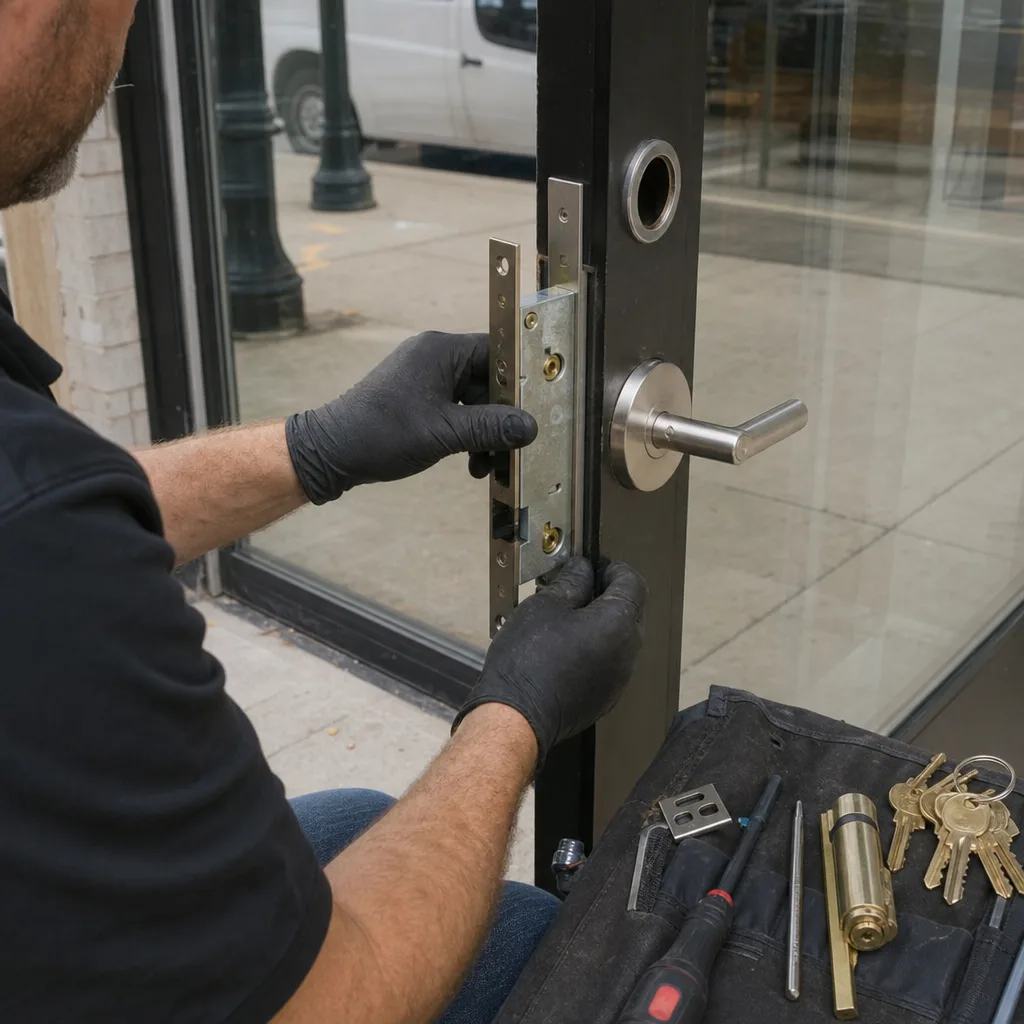
This is where homeowners cause the most damage. A frozen cylinder at 5 a.m. on a Chicago morning creates urgency, and urgency produces bad decisions. We’ve replaced cylinders in Lincoln Park and Ravenswood that were cracked by well-meaning residents who applied the wrong heat source or forced the key.
The Correct Thaw Sequence
- Do not force the key. If the key will not insert fully, the pins are frozen above the shear line. Forcing it will bend the key or break it in the cylinder.
- Warm the key, not the lock. Hold the key in your hand for 60 seconds, or warm it with your breath. A warm key inserted gradually transfers heat to the pin chamber without thermal shock to the cylinder housing.
- Apply heat to the door, not the cylinder face. A hair dryer or heat gun directed at the door surface behind the lock (the interior side, if accessible) warms the metal body of the lock from the mounting side. This is slower but safer than direct flame on the cylinder.
- Graphite after thawing. Once the lock operates freely, apply graphite. The thawing process often displaces existing lubricant.
Methods That Crack Cylinder Housings
Direct flame from a lighter or propane torch creates thermal shock. Brass cylinders expand rapidly; the steel pins do not. The differential stress cracks the plug or the housing. We’ve seen this in Chicago’s older buildings where the original mortise cylinders are no longer manufactured - replacement requires retrofitting the entire lockset.
Pouring hot water on the lock is equally damaging. The water refreezes in minutes, often deeper in the mechanism than the original ice, and introduces corrosion that will cause failure in six months.
De-icing spray formulated for automotive locks can be used on residential cylinders, but sparingly. These sprays contain alcohol and propellants that leave residue. We see more calls in March for gummed cylinders than for frozen ones, often from over-application in January.
The temperature range that causes most Chicago freeze failures is 15°F to 28°F - not the extreme cold of a polar vortex, but the repeated freeze-thaw cycle that pumps moisture into the cylinder. A lock that survives a single night at -10°F often fails after a week of 20°F days and 32°F nights.
April Protocol: Post-Winter Frame and Alignment Inspection
Chicago’s frost line extends 42 inches below grade. The ground heaves in winter and settles in spring, and this movement transfers to foundation walls, door frames, and the relationship between the door and its hardware. April is when the evidence becomes visible.
Testing Deadbolt Throw Engagement
A homeowner can perform this test without tools. Close the door normally. Turn the deadbolt thumb turn or key to extend the bolt fully. Observe whether the bolt enters the strike plate smoothly or meets resistance. Then apply gentle pressure to the door - push toward the hinge side, then pull toward the lock side - while operating the deadbolt. If the bolt binds or requires force under any door position, the frame has shifted.
The test reveals three common conditions:
- Strike too high or low: The bolt skims above or below the strike opening. This indicates vertical frame movement from foundation settlement.
- Strike too shallow: The bolt extends but does not fully seat. The door has moved away from the frame, often from hinge screw loosening or frame pull.
- Strike offset laterally: The bolt hits the edge of the strike plate. Horizontal frame shift, common in Chicago’s clay-heavy soils after freeze-thaw.
Each condition creates wear. A bolt that doesn’t fully seat leaves the door insecure. A bolt that binds loads the cam and wears the keyway. A bolt that strikes the plate edge gradually deforms the strike, then the bolt face, then the internal mechanism.
When Adjustment Is Sufficient
Minor vertical misalignment - up to 3/16 inch - can often be corrected by enlarging the strike opening or repositioning the strike plate. This is a 15-minute job with a chisel and a file. Horizontal misalignment beyond 1/8 inch usually indicates frame movement that will continue; we document the condition and recommend monitoring.
In neighborhoods with older construction - Hyde Park’s 1920s apartment buildings, Andersonville’s frame houses, Bridgeport’s brick worker cottages - we find that April inspection often reveals conditions that developed over multiple winters. The homeowner adapted gradually, pushing the door harder, accepting the resistance as normal. By the time we inspect, the cam is worn and the keyway is ovalled.
Our April service includes a written condition report with photographs, under The Haven Standard documentation protocol. The customer receives this record for their files and for insurance documentation if structural repair is needed.
August Protocol: Humidity, Swelling, and Silent Damage

Chicago’s August humidity averages 70% and peaks above 80% during lake breeze events. Wood doors and frames absorb moisture and expand. The deadbolt throw, which operated cleanly in May, now requires shoulder pressure to seat. Homeowners respond by turning the key harder, by slamming the door, by adjusting their behavior around a lock that has become inconvenient.
This is when silent damage accumulates. The deadbolt cam, already loaded by the swollen frame, receives additional torque from the forced key. The internal springs compress beyond their design limit. The strike plate, receiving a bolt that is partially extended under pressure, begins to deform at the lip.
The August Inspection Points
- Door closure without pressure. Close the door using only the knob or handle. If it won’t latch without body weight, the frame or door has swollen.
- Deadbolt extension with door held closed. Pull the door closed manually, then operate the deadbolt. If it extends smoothly when the door is held but binds when closed normally, the strike position has shifted relative to the bolt path.
- Key rotation resistance. A key that required light pressure in June and now requires significant force indicates cam loading from frame pressure.
The correct August intervention is strike plate adjustment or shim removal, not lubrication. Lubricating a lock that is mechanically loaded masks the symptom and allows continued damage. We remove material from the strike or reposition it to restore clearance, then test operation under normal door closure.
In Chicago’s newer construction - the condo towers of the South Loop, the infill developments of West Town - solid-core doors with engineered frames show less seasonal movement than traditional wood. But the hardware installed is often builder-grade Kwikset or entry-level Schlage with zinc alloy internals that fatigue faster under load than brass. We’ve replaced deadbolts in three-year-old buildings that failed from August loading before they ever saw a Chicago winter.
Lock Hardware Materials and Chicago’s Climate
The material specification of a lock cylinder determines its failure mode in Chicago’s specific environment. Lake Michigan creates a salt-air exposure range that extends inland approximately two miles under prevailing westerly winds, with localized extension along the river corridors. This matters for hardware selection.
Brass Cylinders
Brass (typically C36000 free-machining brass in residential hardware) resists corrosion well but is soft. In Chicago’s climate, brass cylinders show wear before they show corrosion. The pin chambers oval from key insertion cycles; the plug face deforms from torque loading when frames shift. Brass is the correct choice for moderate-use residential applications where lubrication is maintained and frame alignment is checked seasonally. Medeco’s brass-bodied cylinders, properly maintained, last 15+ years in Chicago conditions.
Stainless Steel Cylinders
Stainless steel (303 or 316 grade in premium hardware) resists both corrosion and wear. The tradeoff is cost and machining difficulty. Stainless cylinders are standard in Abloy’s high-security line and in marine-grade applications. In Chicago’s salt-air corridor - the lakefront from Rogers Park to South Shore, the river-adjacent blocks of the Loop - stainless steel provides measurable longevity advantage. We’ve documented brass cylinder corrosion failure at 7 years in lakefront buildings where stainless cylinders show no degradation at 12 years.
Zinc Alloy (Die-Cast) Components
Entry-grade hardware uses zinc alloy (Zamak) for cost reduction. Zamak castings are brittle at low temperature and creep under sustained load at high humidity. In Chicago, Zamak components show two failure modes: cold-weather cracking of the housing (January-February) and humidity-season deformation of the bolt or cam (August). We do not install Zamak deadbolts in Chicago exterior applications. The price difference between Zamak and brass is $8-$15 per lock at wholesale; the replacement cost, including service call, is $180-$340.
Material Selection by Location
| Location Type | Recommended Material | Expected Service Life |
|---|---|---|
| Lakefront (under 2 miles from shore) | Stainless steel or nickel-plated brass | 12-20 years |
| Inland residential, maintained | Solid brass | 10-15 years |
| Inland residential, minimal maintenance | Stainless steel preferred | 12-18 years |
| Any exterior, entry-grade hardware | Upgrade to brass minimum | 5-8 years (Zamak) vs. 10-15 (brass) |
Commercial Locksmith in Chicago applications add traffic volume to climate stress. A brass cylinder rated for 10,000 cycles in residential use may see that volume in 18 months at a commercial entrance. We specify stainless steel or hardened brass for all commercial installations in Chicago, with maintenance intervals matched to cycle count.
Year-Round Maintenance Schedule
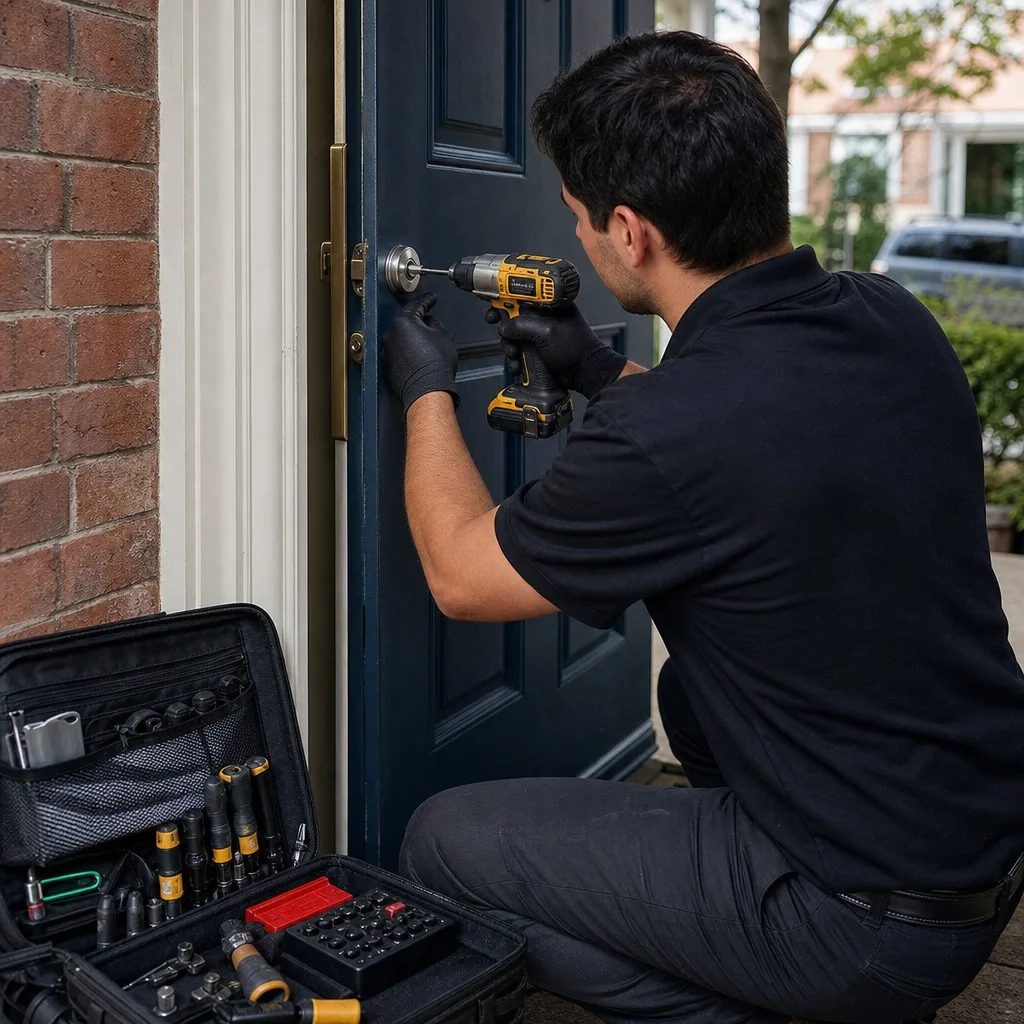
The following schedule consolidates the protocols into a calendar. Each task is timed to precede the stress period, not respond to it.
| Timing | Task | Estimated Time | Professional Cost Range |
|---|---|---|---|
| Late October / Early November | Graphite lubrication; frame alignment check; weatherstripping inspection | 45-60 minutes (whole house) | $120-$180 |
| January-February (as needed) | Frozen lock thawing; post-thaw lubrication; damage assessment | 30-45 minutes per incident | $150-$250 (emergency response) |
| April | Post-winter frame inspection; deadbolt engagement test; strike adjustment; condition documentation | 60-90 minutes | $140-$200 |
| August | Humidity-season alignment check; strike adjustment; key rotation resistance test | 45-60 minutes | $120-$180 |
Scheduled maintenance is always less expensive than emergency response, and our more guides & resources explain why timing matters. A November appointment at $150 prevents the January emergency at $250 plus the potential cost of cylinder replacement. Haven Standard Clause 1 applies: the price quoted on the phone is the price on the invoice, whether scheduled or emergency.
For properties with Access Control Systems in Chicago, the seasonal schedule extends to electric strikes, mag locks, and credential readers. These components are not immune to frame movement or moisture infiltration, and their failure modes are less forgiving - a mag lock that doesn’t release because the armature plate has shifted with the frame is not solved with a hair dryer.
Common Mistakes to Avoid
- Using WD-40 in a lock cylinder. WD-40 is a water displacer and light oil, not a lubricant. It attracts grit and gums up pin tumblers. We’ve disassembled cylinders in Chicago homes that were rendered inoperable by repeated WD-40 application. Use dry graphite only.
- Ignoring a sticky lock until it fails completely. A lock that requires increased key force is reporting frame movement or internal wear. Waiting converts a $120 adjustment into a $340 replacement.
- Applying direct heat to a frozen cylinder. The thermal shock cracks brass housings and deforms steel pins. Warm the key, warm the door, be patient. A 10-minute delay preserves a $200 cylinder.
- Installing entry-grade hardware on exterior doors in lakefront zones. The salt-air exposure accelerates corrosion of zinc alloy and unplated brass. We’ve replaced builder-grade deadbolts at 3 years in Streeterville buildings where stainless hardware would still be serviceable.
- Adjusting the strike plate without checking frame movement. Enlarging the strike opening accommodates a shifted frame but doesn’t address the underlying cause. The frame continues to move, and the adjustment becomes a larger problem. We document frame conditions and recommend structural evaluation when movement exceeds 1/4 inch.
- Skipping August inspection because the lock “works fine.” Works fine means the homeowner has adapted to the resistance. By October, the internal damage is done and the November freeze will complete the failure. August is the cheapest intervention point.
- Assuming new construction doesn’t need seasonal maintenance. Chicago’s new buildings settle significantly in the first three years. We’ve performed April strike adjustments on two-year-old condos in the West Loop where the frame had shifted 3/16 inch from foundation settlement.
When to Call a Professional
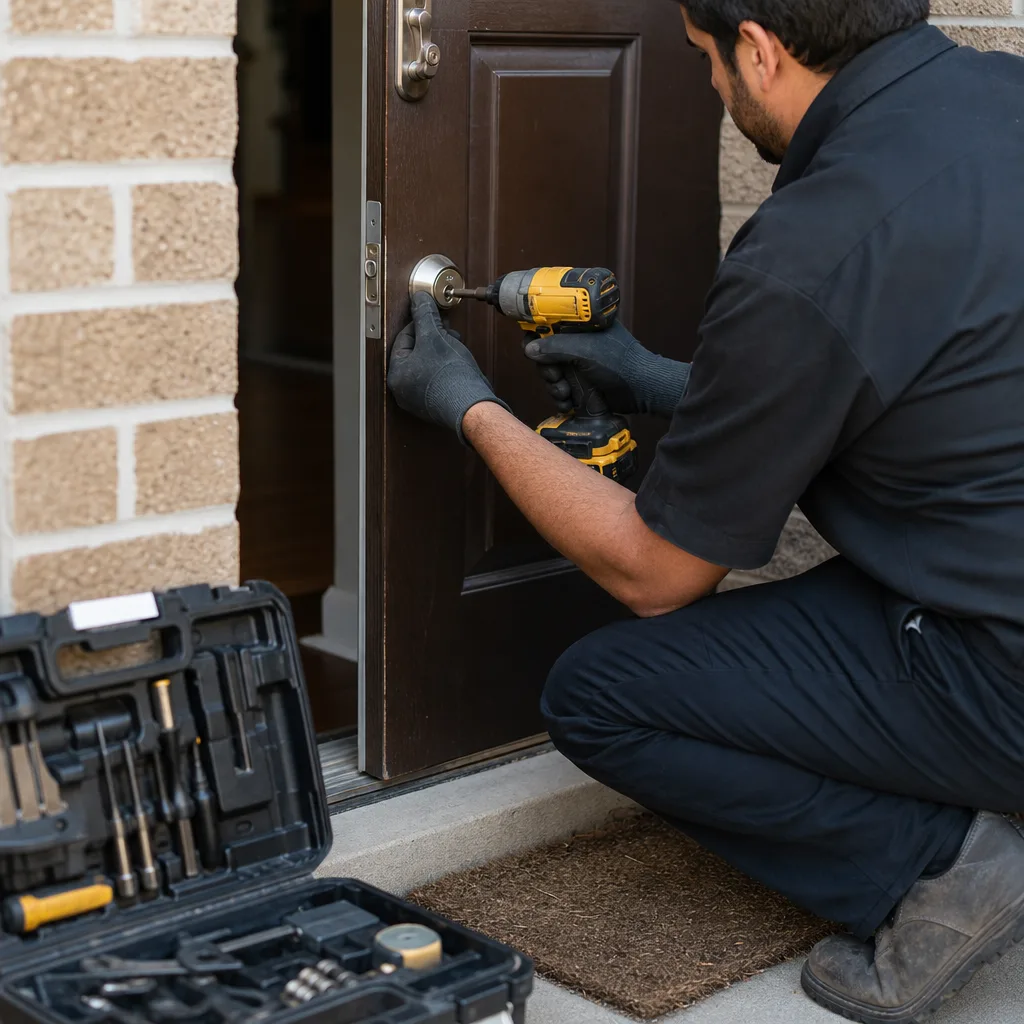
Call a locksmith when the deadbolt binds under any door position, when the key rotates with unusual resistance, when the cylinder face shows corrosion or cracking, or when the strike plate has been modified multiple times and no longer has material to adjust. These conditions indicate underlying issues that homeowner maintenance won’t resolve.
Structural frame movement - visible gaps between frame and wall, doors that no longer close at all, or strike misalignment exceeding 1/4 inch - requires both locksmith and contractor evaluation. We document the lock condition and provide written findings for the contractor’s use.
Novak Lock & Security Chicago offers free estimates in Chicago. Call (331) 202-1318. A dispatcher will quote a firm price for the inspection, and the technician is contractually prohibited from changing that price at the door. Haven Standard Clause 1: the price on the phone is the price on the invoice. Every visit includes a documented photo record and is performed by a background-checked, uniformed technician.
Frequently Asked Questions
Scheduled seasonal maintenance for a typical Chicago home runs $120-$180 per visit, covering lubrication, alignment check, and condition documentation. Emergency response for a frozen or failed lock runs $150-$250, plus cylinder replacement if the lock is damaged. Novak Lock & Security quotes the full price on the phone before dispatch, with no call-out surcharge added on arrival. Call (331) 202-1318 for an exact quote - estimates are free.
Yes. Haven Standard Clause 1 prohibits our technicians from changing the quoted price at the door. The price quoted by the dispatcher, based on the service described, is the price on the invoice. This rule has been in place since 2002. If the scope changes because the customer requests additional work, a new written price is provided before that work begins.
Our emergency response targets arrival within 45 minutes in the city limits, traffic and weather conditions permitting. Calls are answered by a live person, 24/7 - no voicemail queue, no callback window. In severe weather events, we prioritize calls from customers with vulnerable occupants or security concerns.
Every Novak Lock & Security technician is background-checked and uniformed. Every visit produces a documented photo record, which is provided to the customer at job completion. The Haven Standard quality framework governs all work, with documented procedures for pricing, documentation, and warranty claim handling. We are state-licensed, insured, and bonded.
Commercial properties in Chicago require more frequent inspection due to higher cycle counts, but the seasonal timing remains relevant. Electric strikes and access control components are vulnerable to the same frame movement and moisture infiltration as mechanical locks. Commercial Locksmith in Chicago services from Novak Lock & Security include customized maintenance schedules based on traffic volume and hardware specification.
For residential exterior doors in Chicago, we specify Schlage B-series deadbolts with solid brass cylinders for moderate exposure, and Medeco or Abloy high-security cylinders for high-exposure or high-security applications. Kwikset’s SmartKey cylinders are adequate for interior applications but we do not recommend them for primary exterior doors in lakefront zones due to corrosion susceptibility. The correct specification depends on exposure, usage, and security requirements - we assess each installation individually.
Rekeying is the standard practice - it provides new keys without hardware replacement cost. However, if the existing hardware is entry-grade Zamak or shows corrosion, replacement before listing improves inspection results and eliminates a negotiation point. We provide written documentation of the rekey or replacement for the seller’s disclosure file. Rekeying typically runs $18-$28 per cylinder, quoted in writing before we start.
The Bottom Line
Chicago’s climate attacks locks on four distinct schedules: the moisture infiltration of late fall, the freeze-thaw cycling of mid-winter, the foundation movement of spring thaw, and the humidity swelling of late summer. Treating maintenance as a single annual task misses three of these windows. The homeowners who avoid emergency calls are those who match their maintenance to the calendar of mechanical stress - graphite before the freeze, patient thawing during it, frame inspection after it, and alignment correction during the humidity peak. The material specification of the hardware matters as much as the maintenance schedule; brass and stainless steel outperform zinc alloy in every Chicago exposure condition. Documented condition records, provided at each visit, create the evidence trail that supports warranty claims, insurance documentation, and informed replacement decisions.
Call Novak Lock & Security Chicago at (331) 202-1318 for a free estimate on seasonal maintenance, or to schedule an inspection. A live person will answer, quote a firm price, and dispatch a background-checked, uniformed technician. Every job starts with a written price and ends with a documented record.
Written by Daniel Novak, Owner at Novak Lock & Security Chicago, serving Chicago since 2002.