
Last updated September 25, 2026
Non-destructive entry first, always - and we re-key Schlage, Kwikset, and Baldwin locks on the spot while you watch
You get a price before we start. It does not change when we arrive. No surprises.
DIY vs Professional Locksmith: The Chicago Homeowner’s Decision Guide
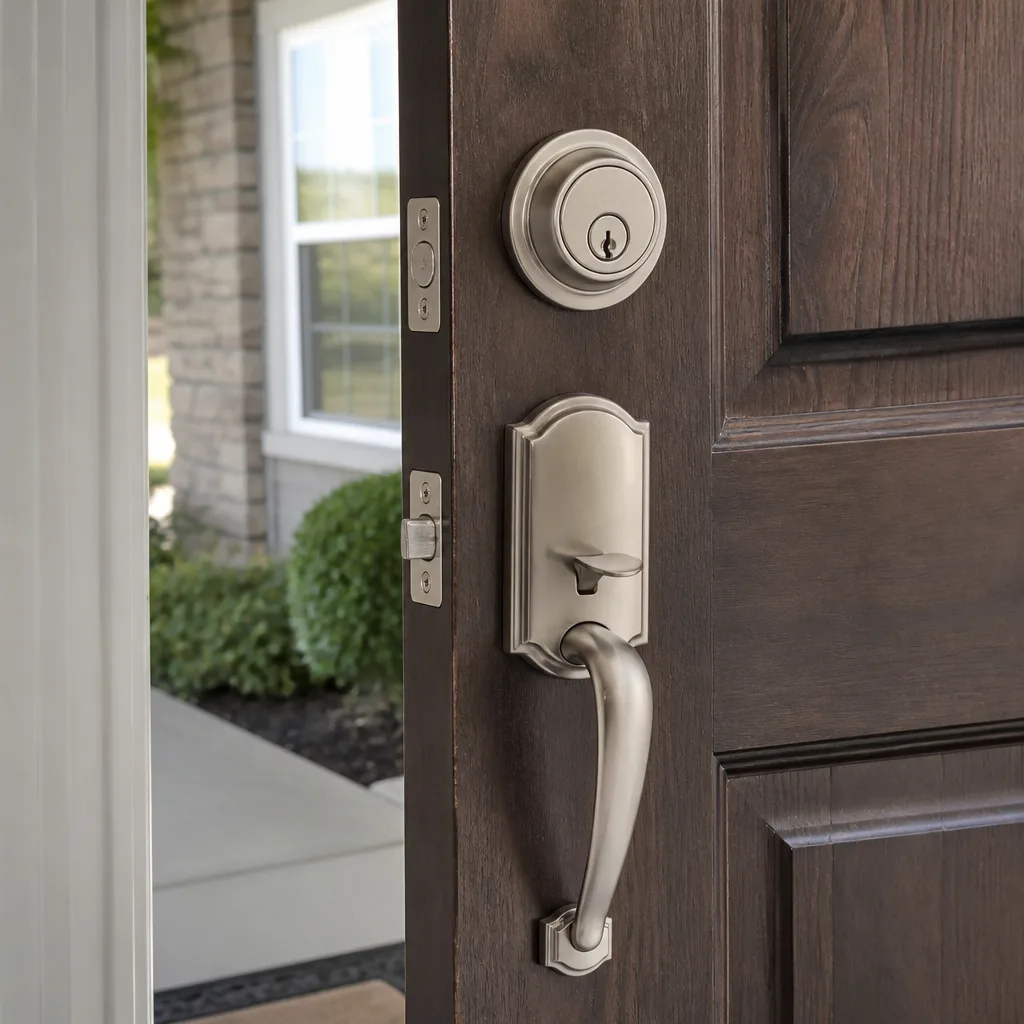
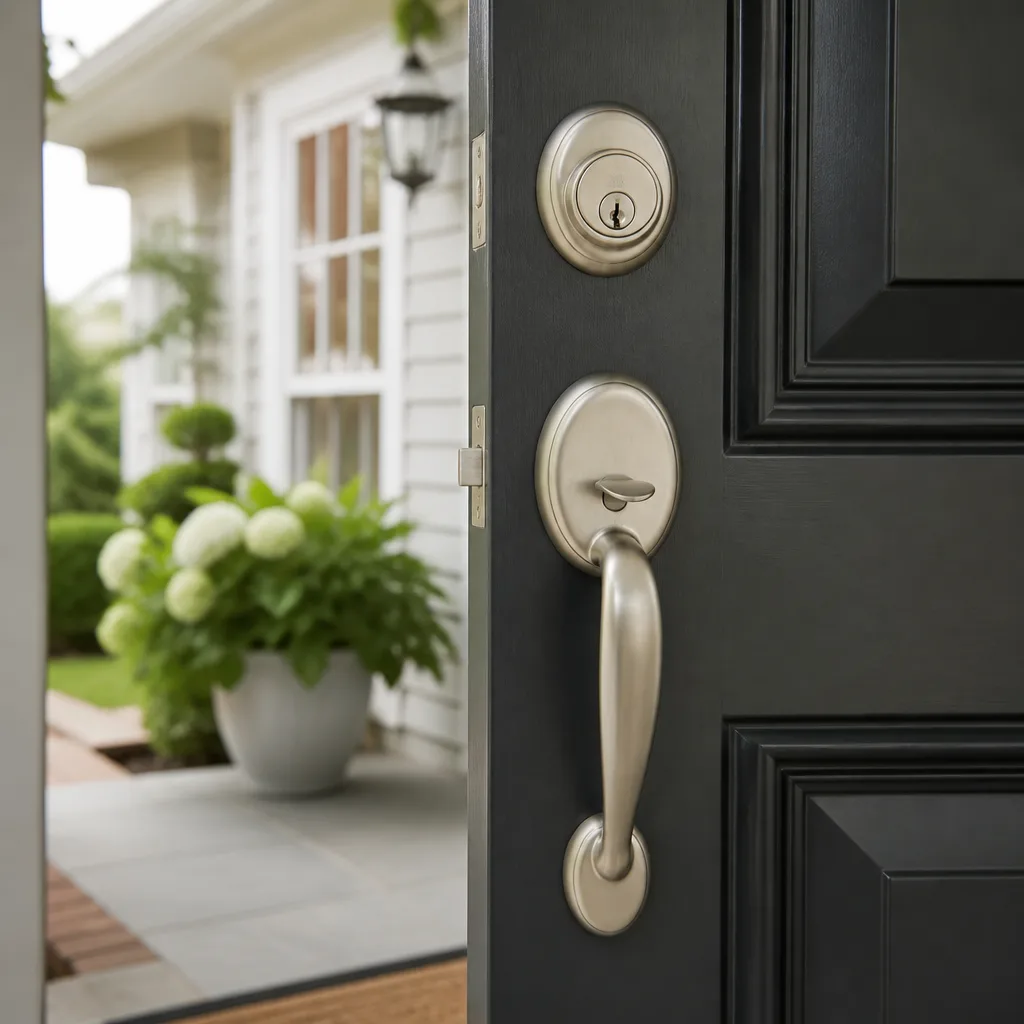
Replacing a deadbolt faceplate is a fifteen-minute job with a screwdriver. Rekeying the cylinder it’s attached to requires a follower bar, a plug follower, and pinning tweezers most homeowners don’t own - attempting it without them damages the plug spring in a way that isn’t visible until the lock fails six months later. In Chicago, where winter thermal contraction and summer humidity expansion stress hardware year-round, that hidden damage often surfaces at the worst possible moment. This guide draws the line by task, not by philosophy: what you can safely handle with standard tools, what requires professional equipment, and what will cost more to fix than to hire out from the start. For more guides & resources on Chicago lock services, see our blog.
Quick Answer
Chicago homeowners can safely replace a deadbolt, install a strike plate, or extract a visible broken key fragment with basic hand tools. Rekeying cylinders, upgrading to high-security locks, repairing smart lock electronics, or any work on rented property requires professional tools and often legal authorization. The dividing factor is not skill - it’s whether the task can be completed correctly without specialized pinning kits, key-cutting equipment, and factory-authorized parts that aren’t sold retail.
Table of Contents

- Task-by-Task Decision Matrix: What You Can DIY and What You Can’t
- The Tool Gap: Why Consumer Rekey Kits Produce Different Security Outcomes
- Chicago Rental Property Considerations: What Tenants Can and Cannot Legally Do
- When DIY Lock Work Voids Manufacturer Warranties and Insurance Coverage
- How to Spot a Compromised DIY Lock Job: Four Observable Signs
- Real Cost Comparison: DIY Expenses vs. Professional Pricing in Chicago
- When to Call a Professional
- Frequently Asked Questions
Task-by-Task Decision Matrix: What You Can DIY and What You Can’t
Deadbolt Replacement (DIY-Friendly)
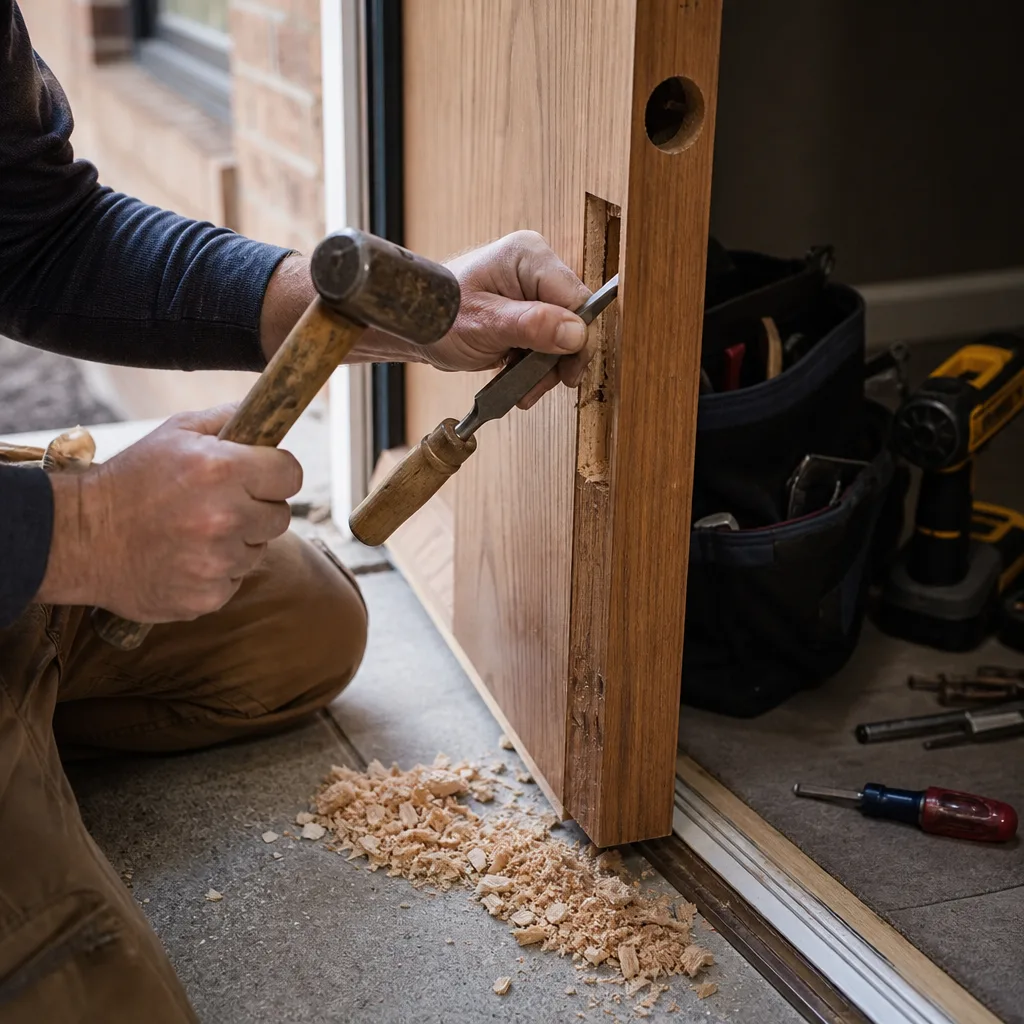
Swapping a Grade 2 or Grade 3 deadbolt for an identical footprint is straightforward. You’ll need a Phillips screwdriver, possibly a chisel if the strike mortise doesn’t align, and fifteen to forty minutes depending on door thickness and existing hole quality. In Chicago’s vintage housing stock - think Andersonville two-flats, Logan Square bungalows, or Hyde Park greystones - door thickness varies from 1-3/8″ to 2-1/4″, and backset (the distance from door edge to cylinder center) may be 2-3/8″ or 2-3/4″. Measure both before buying.
Where DIY deadbolt replacement goes wrong:
- Over-tightening mounting screws, which warps the bolt housing and causes binding
- Failing to check door edge alignment - a bolt that extends smoothly when the door is open may jam when closed due to frame settlement common in Chicago’s freeze-thaw cycles
- Installing a Grade 3 residential deadbolt on a commercial-duty door, which violates building code in mixed-use buildings and creates liability exposure
We’ve replaced deadbolts in Chicago homes where the previous owner stripped the mounting holes, used wood screws instead of machine screws, or packed the cavity with epoxy that made professional extraction a two-hour job. If your door has been modified, call before you make it worse.
Rekeying (Professional-Only)
Rekeying - changing the internal pin configuration so old keys no longer operate the lock - is the most commonly attempted DIY locksmith task and the most frequently botched. The procedure requires removing the cylinder plug without dropping the bottom pins, replacing the pin stack to match a new key’s bitting, and reinstalling the plug with springs under tension. Consumer rekey kits include plastic tools that flex under pressure. A professional uses a solid brass follower bar sized to the cylinder diameter, a plug holder that maintains spring compression, and pinning tweezers with carbide tips.
The failure mode is invisible: a homeowner who forces a plug back in with a bent spring or misaligned pin chamber creates intermittent operation. The lock works fine in July, then fails in January when thermal contraction changes clearances by thousandths of an inch. We’ve responded to emergency lockouts in Wicker Park and Lincoln Park where the root cause was a DIY rekey from two years prior.
Lock Upgrade to High-Security (Professional-Only)
Installing a Medeco, Mul-T-Lock, or Abloy cylinder is not a drop-in replacement in most cases. These high-security cylinders use proprietary keyways, hardened drill-resistant inserts, and sidebar mechanisms that require precise door preparation. The mounting hardware differs from standard Kwikset or Schlage footprints. More critically, key control - the documented chain of custody proving no unauthorized copies exist - is void if installation isn’t performed by a factory-authorized technician. See our Locksmith Permits, Codes & Inspections in IL: What You Need to Know for regulatory requirements. Novak Lock & Security Chicago is authorized for Medeco, Mul-T-Lock, Abloy, Baldwin, and Schlage commercial lines; we provide written key control certificates with every high-security installation.
Broken Key Extraction (Conditional)
If the broken key fragment protrudes from the cylinder face, needle-nose pliers or a key extractor tool ($12-$20 online) may retrieve it. If the break is flush with or below the face, stop. Forcing a hook tool past the shear line damages wafers or pins that weren’t involved in the original failure. In Chicago’s older buildings, particularly pre-war construction in Uptown or Rogers Park, original lock cylinders may be discontinued formats where replacement requires complete hardware changes. A $15 extraction attempt becomes a $400 replacement.
Strike Plate Reinforcement (DIY-Friendly with Caveats)
Reinforcing a strike plate with 3″ screws that engage the door frame stud is effective burglary deterrence and within most homeowners’ capability. Use a pilot bit to prevent splitting. However, if the frame is compromised - cracked, rotted, or previously repaired with wood filler - screw reinforcement transfers force to weak material. We’ve found strike plates in South Shore and Chatham where previous DIY reinforcement pulled the entire jamb apart during a forced entry attempt because the underlying wood was deteriorated. Professional evaluation of frame integrity takes ten minutes and prevents false security.
Smart Lock Installation (Conditional)
Retrofit smart locks that bolt over existing deadbolts (August, Yale Assure retrofit kits) are mechanically simple but electronically complex. Wi-Fi bridge configuration, Z-Wave hub pairing, and firmware updates require troubleshooting patience. The professional consideration is power failure: does the lock revert to mechanical key override, and is that override cylinder the same keyway as your other locks? A Chicago homeowner with four Schlage mechanical deadbolts who installs a smart lock with a different keyway has created a key management problem. We coordinate keyways across installations as standard practice.
The Tool Gap: Why Consumer Rekey Kits Produce Different Security Outcomes
The $25 rekey kit sold at hardware stores contains bottom pins in standard .003″ increments, a plastic plug follower, and a generic instruction sheet. A professional pinning kit contains bottom pins, master pins, top pins, and springs in .001″ increments, calibrated to the specific manufacturer’s tolerances. That precision difference matters.
Here’s what the kit doesn’t include:
- A key gauge. Determining the bitting depths from a key requires either factory code cards or a precision gauge. Eyeballing it produces incorrect pin stacks.
- Plug followers in multiple diameters. Schlage, Kwikset, Weiser, and Arrow cylinders have different plug diameters. A follower that fits loosely allows pins to drop into the shell bore, creating a lock that works only when warm or only when cold.
- Depth and spacing keys. These verify that the cut depths on your new key match the pin stack you’ve built. Without verification, you have no quality control.
- Pinning tweezers with spring tension. Handling #2 bottom pins (3/32″ long) with standard tweezers bends the pins. Bent pins bind in chambers.
The security outcome: a consumer rekey typically produces 3-4 usable differs (unique key combinations) before pin stack conflicts occur. A professional rekey with factory-spec pinning produces the full designed differs for that keyway - often 10,000+ for standard Schlage, millions for Medeco or Abloy. The lock you rekeyed yourself is more vulnerable to accidental key interchange (your neighbor’s key works your lock) and comb picking (a technique that exploits loose tolerances).
In our Chicago service records, we’ve documented cylinder failures from DIY rekeying at roughly twelve times the rate of professionally serviced locks. The failure isn’t always immediate. It’s the slow degradation of spring tension, the gradual accumulation of metal debris in chambers, the pin that sits .002″ too shallow and finally slips past the shear line on a cold February morning.
Chicago Rental Property Considerations: What Tenants Can and Cannot Legally Do
Illinois law does not grant tenants authority to modify, rekey, or replace locks on rental property without landlord consent. The Chicago Residential Landlord and Tenant Ordinance (RLTO) requires landlords to provide “a reasonable amount of keys” and to maintain locks “in good working order.” It does not permit tenants to unilaterally change hardware and bill the landlord.
Specific scenarios we’ve encountered:
- Roommate departure: A tenant in a Lakeview two-flat rekeyed the deadbolt after a roommate moved out. The landlord discovered the change during a required inspection, deducted rekeying costs from the security deposit, and the tenant disputed the deduction. The housing court ruled for the landlord: unauthorized hardware modification is not “ordinary wear and tear.”
- Domestic safety: A tenant in Austin who feared a former partner installed additional locks. While the safety concern was valid, the unilateral installation violated the lease’s alteration clause. The proper procedure is a written request to the landlord, who must respond within a reasonable time; if the landlord fails to act, the tenant may seek court-ordered relief, not self-help.
- Sublease situations: In Chicago’s active sublease market (common near University of Chicago and DePaul), the original tenant remains liable for hardware modifications made by subtenants. We’ve rekeyed locks where the subtenant used a consumer kit, the lock failed, and the original tenant faced deductions for professional repair.
Landlord obligations under RLTO: landlords must rekey or replace locks between tenancies, and must repair or replace malfunctioning locks within a reasonable time after written notice. “Reasonable time” in Chicago housing court is typically interpreted as 14 days for non-emergency, 24-48 hours for security-compromised locks. If you’re a tenant with a lock problem, document the written notice. If you’re a landlord, use a professional rekey with key control documentation between tenancies - it satisfies your RLTO obligation and provides evidence if disputed.
Residential Locksmith in Chicago
When DIY Lock Work Voids Manufacturer Warranties and Insurance Coverage
Manufacturer Warranty Language
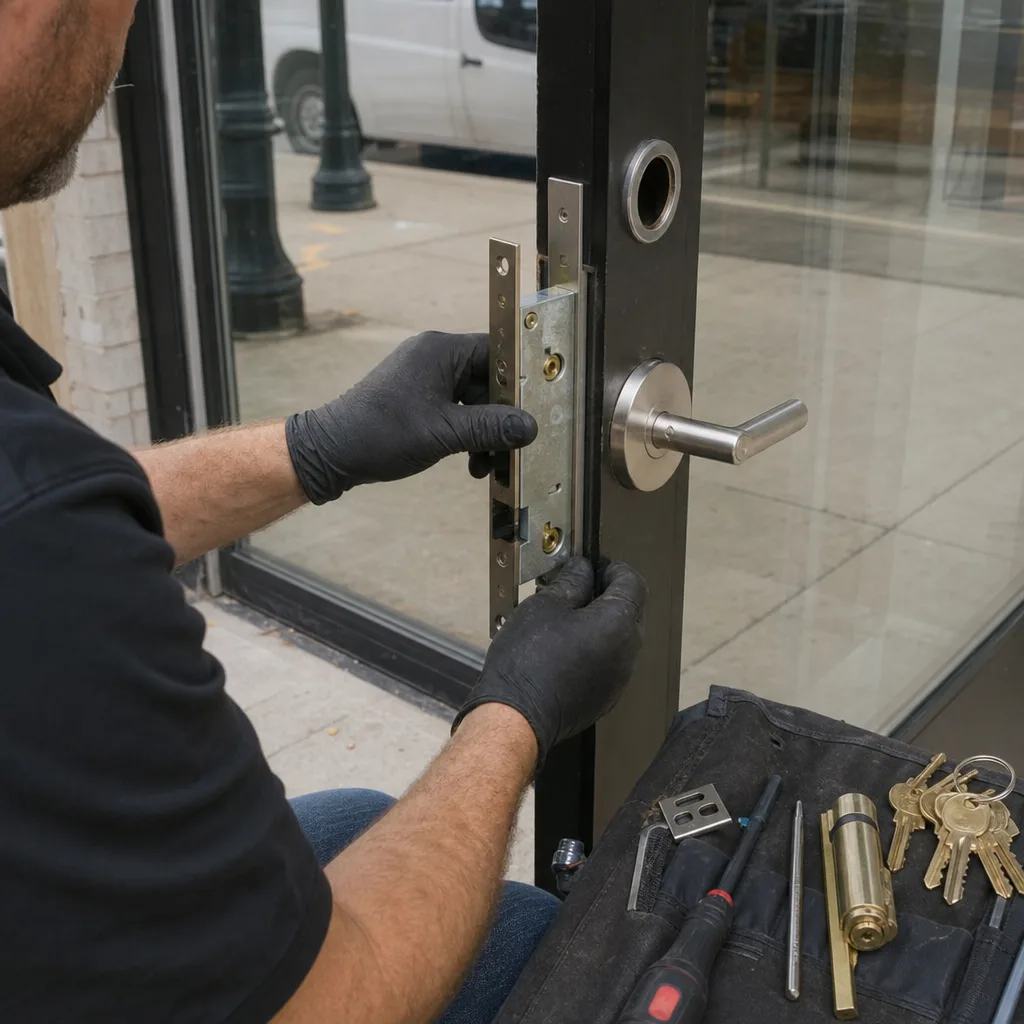
Read the warranty card for any Schlage, Kwikset, or Medeco product. The standard clause: “Warranty coverage applies only to products installed in accordance with manufacturer instructions by qualified personnel.” “Qualified personnel” is defined in the full warranty document (available online, rarely printed in the box) as “a licensed locksmith or factory-authorized installer.”
What voids coverage:
- Rekeying with non-factory pins or springs
- Installation with modified mounting hardware
- Use of lubricants not specified by the manufacturer (WD-40 in a pin tumbler cylinder voids every major warranty - it attracts dust and gums the mechanism)
- Drilling or mortising not shown in the installation template
We’ve replaced locks under warranty where the manufacturer required proof of professional installation - a dated invoice with technician name and license reference. DIY installations have no such documentation and no coverage.
Homeowner’s Insurance and Forced-Entry Clauses
Standard Illinois homeowner’s policies contain a “reasonable precautions” clause requiring the insured to maintain functioning locks on all exterior doors. If a burglary occurs and the insurer discovers that locks were DIY-installed incorrectly, DIY-rekeyed with visible damage, or left non-functional after a previous break-in, claim denial is possible. The specific language to check: “All exterior doors must be secured by key-operated deadbolt locks in good working order” or similar.
More critically, some policies contain a “maintenance and wear” exclusion that denies coverage for damage resulting from “lack of reasonable maintenance.” A lock that fails due to DIY rekeying damage, allowing undetected entry, may fall under this exclusion. We’ve provided expert documentation for insurance claims in Chicago where the carrier disputed whether lock failure constituted “theft” or “negligence.” Professional installation records prevent that dispute.
How to Spot a Compromised DIY Lock Job: Four Observable Signs
When we evaluate locks in Chicago homes - particularly properties with multiple previous owners or recent flips in neighborhoods like Bridgeport, Pilsen, or Bronzeville - we look for these four indicators of amateur service:
- Scoring on the plug face. The keyway entrance should be clean brass or nickel. Scratch marks radiating from the keyway indicate a screwdriver or knife blade used to turn the plug when the key was absent. This damages the cam mechanism behind the plug.
- Uneven pin chamber depths visible through the bible. Holding the cylinder to light, the pin chambers (the vertical holes) should align precisely at the shear line. If one chamber appears deeper or shallower, a pin was improperly seated or a spring was damaged during rekeying.
- Non-factory springs or mixed pin brands. Factory springs are consistent in coil count and wire gauge. If a cylinder contains one gold-tinted spring and five silver, or pins with different head shapes, it’s been serviced with aftermarket parts of unknown specification.
- Key operation that varies with temperature. A lock that works smoothly at 70°F but sticks at 20°F has internal tolerance issues. Professional pinning accounts for thermal expansion coefficients; amateur pinning doesn’t. In Chicago’s climate, this is the most common delayed-failure symptom we see.
If you observe any of these signs, the cylinder needs professional evaluation, not continued use. The failure mode is progressive: intermittent operation becomes complete failure, often when the lock is in the locked position with no key backup.
Real Cost Comparison: DIY Expenses vs. Professional Pricing in Chicago

DIY cost calculations often omit tool acquisition, failure remediation, and the value of documented work. Before you decide, review our Locksmith Cost Breakdown: The Chicago Homeowner’s Reference for 2026. Here’s the actual comparison for common tasks in the Chicago market:
| Task | DIY Cost | Professional Cost (Novak Lock & Security Chicago) | Hidden DIY Costs |
|---|---|---|---|
| Deadbolt replacement (same footprint) | $35-$85 (hardware only) | $120-$195 installed, with 365-Day Done Right Promise | Door repair if holes stripped; replacement if wrong backset purchased |
| Rekey single cylinder | $25 kit + $15 key blanks | $45-$75 per cylinder, quoted in writing before work starts | Cylinder replacement if damaged ($85-$150); emergency callout if lock fails later |
| Rekey full home (4 cylinders) | $100 kit + $40 keys | $160-$280, all cylinders keyed alike, written key control record | Time (3-4 hours first attempt); no warranty; no key control documentation |
| High-security upgrade (Medeco/Abloy) | Not available retail | $280-$550 per cylinder, factory-authorized, key control certificate | N/A - professional installation required for key control validity |
| Broken key extraction | $12-$20 tool | $75-$125, including damage assessment | Cylinder replacement if tool damages wafers ($150-$300 total) |
| Strike plate reinforcement | $8-$15 hardware | $65-$95, including frame integrity evaluation | Frame repair if screws pull through deteriorated wood ($200-$400) |
The price we quote on the phone is the price on the invoice. Haven Standard Clause 1: no technician can change the quoted price at the door. This rule has been in place since 2002. When you call (331) 202-1318, the dispatcher asks for lock type, door condition, and service need, then provides a firm range. That range is documented in your work order before dispatch.
Free Second Opinion on Any Written Estimate: bring us a competitor’s quote and we will review it at no charge. We’ve found that Chicago-area bait-and-switch operations commonly quote $29-$49 “service calls” that become $300+ at the door. Our written price prevents that.
Commercial Locksmith in Chicago
When to Call a Professional
Call before you start if the task involves: rekeying any cylinder, installing high-security hardware, working on a rental property, modifying door structure, or handling a lock that has previously been serviced by unknown hands. For guidance on vetting a provider, read How to Hire a Locksmith Contractor in Chicago: A Step-by-Step Guide. Call after you’ve started if you’ve encountered stripped screws, a plug that won’t reinsert, or a key that now works intermittently. Continuing past the warning signs increases repair cost.
Specific Chicago scenarios that warrant immediate professional response: lock failure during extreme weather (thermal contraction causes misalignment that temporary fixes won’t hold); any lock involved in a burglary attempt (insurance documentation requires professional assessment); and master key systems in multi-unit buildings, where one incorrect pin placement compromises the entire key hierarchy.
Novak Lock & Security Chicago offers free estimates. Calls are answered by a live person, 24/7 - no voicemail queue, no callback window. Every visit includes a background-checked, uniformed technician and a documented photo record left with you at completion. The 365-Day Done Right Promise applies to every installation, rekey, and repair.
Access Control Systems in Chicago
Frequently Asked Questions
Single-cylinder rekeying in Chicago typically runs $45-$75 per cylinder, with full-home packages of four cylinders ranging $160-$280 when keyed alike. Novak Lock & Security Chicago quotes this range in writing before dispatch, with no call-out surcharge added on arrival. Call (331) 202-1318 for an exact quote - estimates are free.
Yes, at Novak Lock & Security Chicago, the price quoted is the price on the invoice. Haven Standard Clause 1 prohibits technicians from changing the quoted price at the door. This rule has been in place since 2002. If the scope changes based on conditions found after arrival, the technician must call the office for authorization and document the change in writing before proceeding.
No. The Chicago Residential Landlord and Tenant Ordinance requires landlord consent for lock modifications. Unauthorized changes can result in security deposit deductions and lease violation proceedings. If you need rekeying for safety reasons, submit a written request to your landlord; if they fail to respond within 14 days, seek legal relief rather than self-help.
Look for scoring around the keyway, keys that stick or vary with temperature, visible pin chamber misalignment when holding the cylinder to light, or mixed spring colors inside. Any of these indicates amateur service and warrants professional evaluation before the lock fails completely.
It depends on your policy’s “reasonable precautions” and “maintenance” clauses. If the smart lock fails due to installation error and a burglary occurs, the insurer may deny the claim. Check your policy for language requiring “key-operated deadbolt locks in good working order” or “qualified installation.” Professional installation with documentation protects your coverage.
Emergency response in Chicago typically ranges 20-45 minutes depending on traffic, weather, and your neighborhood. Calls are answered by a live person, 24/7, with real-time technician location tracking. The dispatcher provides an estimated arrival window when you call, and the technician calls when en route.
The Bottom Line
The DIY-versus-professional question is mechanical, not philosophical. Replace a deadbolt with a screwdriver if the footprint matches and the door is sound. Attempt rekeying only if you own the specialized tools and accept that failure means cylinder replacement. Never modify rental hardware without authorization. Never assume a warranty or insurance policy covers amateur work. And inspect any lock with a previous owner’s fingerprints - the damage from a $25 rekey kit often surfaces months later, at the worst possible moment, in a Chicago winter that doesn’t forgive hardware shortcuts.
We’ve installed and serviced 60,000+ locks, keys, and systems since 2002. Every job started with a written price and ended with a documented record. That documentation - the photo record, the written scope, the key control certificate - is what separates professional work from a temporary fix.
Call Novak Lock & Security Chicago at (331) 202-1318 for a free estimate. The price we quote is the price you pay. Always.
Written by Daniel Novak, Owner at Novak Lock & Security Chicago, serving Chicago since 2002.